
Published December 31, 2025
Here's how airplane routes and noise affect home prices
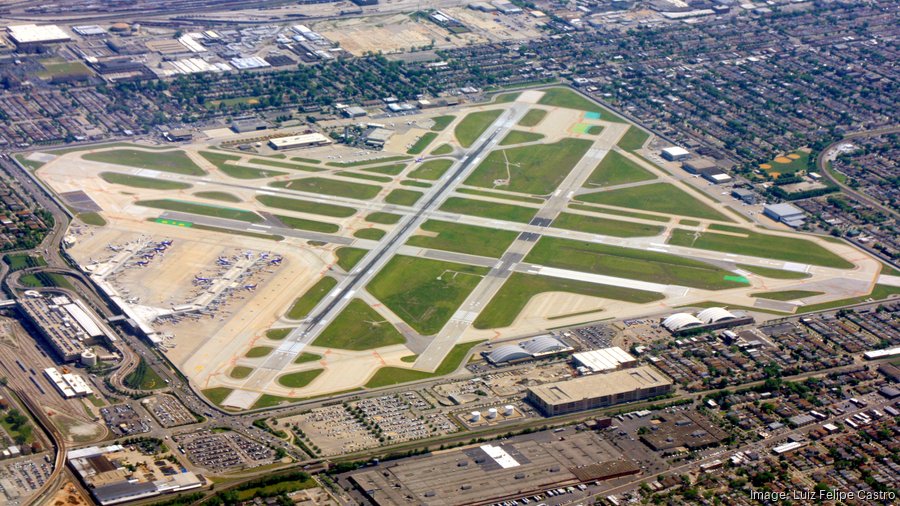
The noise from airplanes can cost homeowners thousands of dollars when they sell.
A working paper published by the National Bureau of Economic Research analyzed changes in flight paths and overall airplane noise in residential neighborhoods near several airports and the prices homes secured when they subsequently sold.
The research found that for every 1% increase in airplane noise exposure for a home, that home sold for 0.2% to 0.3% less than comparable homes without an increase in airplane noise. That implies that for every 1-decibel increase in average noise, property values drop by 0.6% to 1%.
“The magnitude of our estimates suggests that aircraft noise remains a significant disamenity for households, even in urban areas with long-standing exposure,” the working paper stated.
The research did find some limits on airplane noise, though. If overall ambient background noise in a neighborhood is less than 40 decibels, there is minimal or no impact on housing prices. However, the more the decibels exceed that level, the greater the impact. That means that houses exposed to a higher frequency of flights exceeding 60 decibels sell at a discounted price compared to homes exposed to lower decibel levels.
Households with higher incomes cared more about the overall level of ambient noise, according to the working paper.
The research also noted geographic differences in the relative value placed on levels of noise. In Boston, one of the metro areas studied, the median willingness to pay for a return to ambient sound levels worked out to $2,528, while the median willingness to pay for quiet in Chicago was $1,564. In Seattle, the willingness to pay for quiet was the highest among the markets researched, with a median of $3,235.
Shifting market sees higher prices
The analysis of home prices around airports comes as the housing market is shifting. There were 15% more listings on the market in October than the same time last year, with houses sitting on the market longer too, according to data from Realtor.com. That days-on-market number has risen by about 10%.
However, median listing prices, after slipping earlier in the year, were up about 1% over the same time last year, according to Realtor.com, hovering around $425,000.
The market also has seen more deals falling through, according to a survey of hundreds of agents by real estate tech venture Homelight. Most agents surveyed (77%) said the biggest mistake sellers are making is overpricing.
Home prices nationally have grown rapidly since the onset of the pandemic five years ago.
In the second quarter of 2020, the median sale price for U.S. homes was $317,100, according to data compiled by the Federal Reserve. By the second quarter of 2022, that number was $437,700, up 38%. It dropped to $410,800 in the first quarter of 2025, but that's still up nearly 30% from the early days of the pandemic five years ago.
The cost of a "starter home" has jumped in recent years as well, according to an analysis by Redfin Corp.
In 2012, the typical median sale price for what Redfin defined as a "starter home" was $95,000. That price rose in 2019 to $165,500 — and it rose further, to $250,000, last year.
Homeowners across the country also are increasingly worried about the cost of traditional home insurance. A survey by Realtor.com of recent and prospective homebuyers found that 88% believe they will pay more for homeowners insurance in the near future, and 42% said they already have experienced a rise in homeowners insurance costs.
Demographic trends among homeowners
Nobody is more worried about homeownership — and the inability to achieve it — than Gen Zers and millennials. According to the BMO Real Financial Progress Index, 54% of American renters envy people their age and younger who have purchased a home. It's a dynamic that's even stronger among Gen Zers, with 63% of those respondents saying they are envious of homeowners. The Gen Z share is second only to that of millennials, who are most likely to be envious, at 67%.
Chris Anderson
Realtor | Southwest Austin & Hill Country Realtor | Chris Anderson, 12 Rivers Realty
or another way