
Published June 3, 2026
Austin Passes One Million Residents—What It Means for the Housing Market
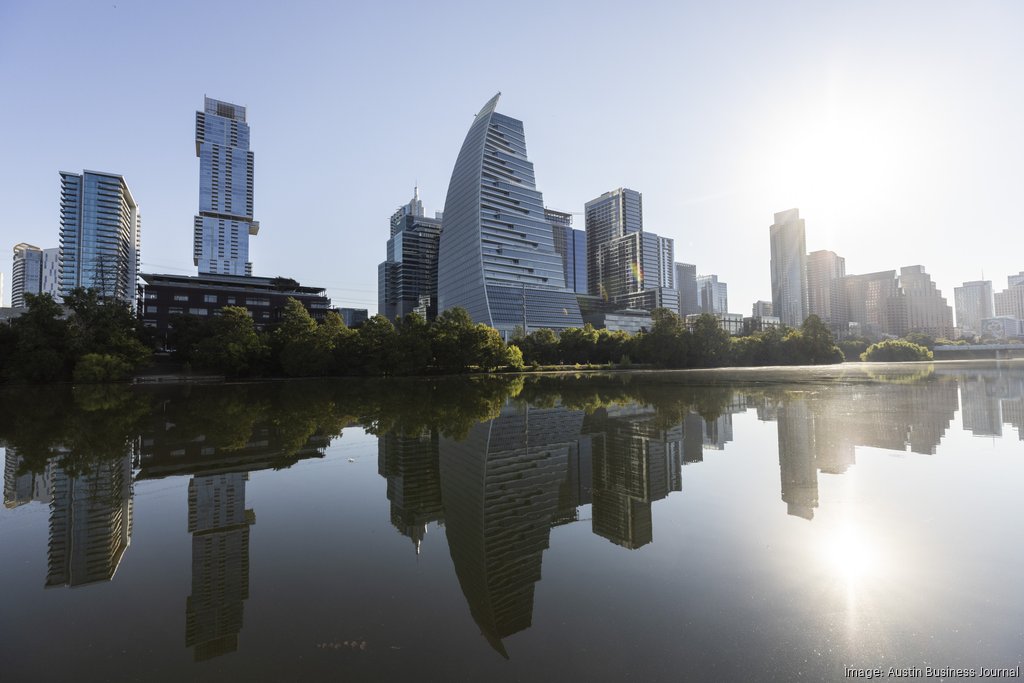
"Austin is still growing - but barely. "We were thinking that the City of Austin and possibly Travis County might experience population decline," Austin's demographer recently noted — an unthinkable scenario for many Austinites who have spent years hearing their city described as one of the fastest-growing places in America.
Yet the latest population estimates tell a more nuanced story.
Austin officially surpassed the one-million-resident mark in 2025, reaching 1,002,632 residents and becoming the 12th-largest city in the United States. While crossing this milestone is certainly noteworthy, the pace of growth has slowed dramatically compared to the boom years that defined the previous decade. The city added just over 4,000 residents between 2024 and 2025, representing annual growth of approximately 0.4%.
For a city that routinely led national growth rankings, the slowdown reflects a changing reality. Rising housing costs, affordability concerns, and shifting migration patterns have tempered the explosive population gains Austin experienced throughout the 2010s and early 2020s. In fact, city officials previously considered the possibility that Austin and Travis County could experience population declines if economic and housing pressures persisted.
Despite slower growth, Austin remains a powerful economic engine. The region continues to attract employers and workers in technology, advanced manufacturing, healthcare, and professional services. Major investments from companies across Central Texas continue to support job creation, while a growing housing supply has helped moderate home prices from the record highs seen during the pandemic housing boom.
What's becoming increasingly clear is that growth in Central Texas is no longer concentrated within Austin's city limits. Communities throughout Williamson, Hays, Bastrop, and Caldwell counties are growing at a faster pace as homebuyers seek greater affordability, newer housing inventory, and more space. While Austin's growth has moderated, the broader metro area remains one of the fastest-growing regions in the country.
Housing construction remains a key factor in the region's long-term outlook. Travis County added more than 16,000 housing units between 2024 and 2025, while the Austin metro added nearly 32,000 units during the same period. Increased housing supply is helping address affordability challenges while creating opportunities for future growth.
Looking ahead, regional forecasts remain remarkably optimistic. The Austin metropolitan area is projected to grow from roughly 2.6 million residents today to more than 4.6 million by 2060. While Austin may no longer be experiencing the breakneck growth that once defined the city, the region's economic strength, quality of life, and continued investment suggest that growth isn't disappearing—it's simply evolving.
For homebuyers, sellers, and investors, this shift represents an important transition. Austin is moving from a hyper-growth market to a more balanced and sustainable one. Inventory levels are improving, buyers have more choices, and surrounding communities are playing an increasingly important role in the region's future.
Austin may not be growing as fast as it once did, but surpassing the one-million-resident milestone is a reminder that the city's story is far from over. The next chapter for Central Texas will likely be defined not by explosive growth, but by thoughtful expansion, improved housing opportunities, and the continued rise of the communities that make up the greater Austin region.
References
-
City of Austin – Austin Population Milestone: One Million and Counting
-
Opportunity Austin – Austin Region Population Projection Insights
-
Capital Area Metropolitan Planning Organization (CAMPO) Regional Growth Forecasts
This article is based on publicly available population, housing, and economic data as of June 2026 and is intended for informational purposes only.
"Why it matters: While Austin's growth has slowed, the region continues to expand. Understanding where growth is occurring can help buyers, sellers, and investors make more informed real estate decisions."
- Chris Anderson, Austin Realtor
Chris Anderson
Realtor | Southwest Austin & Hill Country Realtor | Chris Anderson, 12 Rivers Realty
or another way