
Published September 9, 2026
Bee Cave Home Buyer FAQ


Bee Cave Home Buyer FAQ
Answers to common questions from families and relocation buyers researching homes in Bee Cave, TX, covering school zoning, HOA fees, taxes, commute, and local market conditions.
1. What is it like to live in Bee Cave, TX?
Bee Cave is a Hill Country suburb in western Travis County, zip code 78738, that functions as the retail and commercial center for the Lake Travis corridor. It has a more suburban, higher density feel than nearby Dripping Springs, Driftwood, Spicewood, or Wimberley, with established subdivisions, sidewalks, and easy access to shopping and dining rather than large tracts of open land. The Hill Country Galleria anchors the local retail and entertainment scene, and most homes sit on standard suburban lots rather than acreage. Families are drawn to Bee Cave for its schools, its parks, and the convenience of not having to drive far for groceries, restaurants, or errands.
2. What school districts serve Bee Cave, TX?
Bee Cave is split between Eanes Independent School District and Lake Travis Independent School District, and which one serves a given home depends on the specific street and section, not the city limits as a whole. Eanes ISD, anchored by Westlake High School, carries a strong academic reputation and tends to command a price premium within Bee Cave. Lake Travis ISD serves a large share of Bee Cave’s newer subdivisions and is also highly regarded, with its own high school and a growing family base. Because the boundary line can run through a neighborhood rather than follow an obvious geographic feature, buyers should never assume zoning from a general area and should confirm the exact assigned schools for any address before writing an offer.
3. What’s the difference between the Eanes ISD and Lake Travis ISD sections of Bee Cave?
The main practical differences are price and school assignment, not lifestyle. Eanes ISD sections of Bee Cave, zoned to the same district as Westlake High School, generally carry a measurable price premium over comparable homes zoned to Lake Travis ISD, reflecting the district’s long-standing academic reputation and lower relative turnover. Lake Travis ISD sections still deliver strong academic performance and often more new construction and larger floor plans for the price. Because the district line does not follow an obvious geographic feature, two homes a block apart can be zoned to different districts, so buyers comparing options should ask for zoning confirmation from the appraisal district or MLS rather than assuming a neighborhood name determines the school district.
4. How close is Bee Cave to the Hill Country Galleria and other shopping?
Most Bee Cave neighborhoods are within a five to fifteen minute drive of the Hill Country Galleria, the open air shopping, dining, and entertainment center that anchors the city along Highway 71. The Galleria includes a movie theater, a grocery store, national retailers, and a range of restaurants, along with a public library branch and green space used for community events. This proximity is one of the main draws for buyers moving from more rural Hill Country towns who want groceries, dinner, or a pharmacy within a few minutes rather than a twenty to thirty minute drive. Homes closer to the Galleria corridor can carry a modest convenience premium, while quieter subdivisions set back from Highway 71 trade some of that walkability for lower traffic noise.
5. How is Bee Cave different from Dripping Springs, Driftwood, Spicewood, or Wimberley?
Bee Cave is more suburban and more built out than those towns, with higher housing density, smaller standard lots, and a retail core anchored by the Hill Country Galleria. Dripping Springs, Driftwood, Spicewood, and Wimberley are more rural, with more acreage properties, more well and septic systems, and longer drives to major shopping and dining. Bee Cave suits buyers who want Hill Country scenery and good schools but still want sidewalks, nearby retail, and shorter commutes to central Austin. Buyers who want more space and privacy, and don’t mind driving farther for errands, often end up looking further west or south instead.
6. Do homes in Bee Cave use well water and septic systems?
Most homes in Bee Cave are on municipal or MUD provided water and sewer service, unlike the more rural Hill Country towns further out where well and septic systems are common. This is one of the advantages of Bee Cave’s more built out, suburban character for buyers coming from areas where well output or septic maintenance was a concern. A handful of outlying or older properties may still differ, so buyers should confirm the utility type for any specific home before writing an offer. Your agent can verify water and sewer service as part of due diligence.
7. What should I check about utilities before buying a home in Bee Cave?
Confirm whether the home is served by municipal water and sewer or by a MUD, since Bee Cave has more than one utility provider depending on the subdivision. While well and septic are uncommon in Bee Cave proper, a property using either should come with service and inspection records, and any septic system should be inspected before closing. Ask about the specific MUD or utility district serving the home, since rates and fees can vary by provider. Your agent can pull this information from the listing and county records early in the process so there are no surprises at closing.
8. What is the median home price in Bee Cave, TX?
Bee Cave does not have a single simple median because pricing varies significantly by school zoning and subdivision, but homes here generally price above the broader Austin metro median. Across the Austin metro overall, the median home sale price is running around $560,000 as of data through July 2026, according to Redfin. Bee Cave, given its Eanes and Lake Travis ISD zoning and newer housing stock, typically prices above that citywide figure, with homes in Eanes zoned sections commanding the highest premiums. Ask your agent for a current comparative market analysis on the specific streets and school zone you’re considering, since citywide averages can be misleading in a market with this much internal variation.
9. Is it a buyer’s market or a seller’s market in Bee Cave right now?
As of mid-2026, the Austin area overall is more balanced and more buyer favorable than it was during the 2021-2022 peak, with homes typically taking 50 to 60 days to sell and closing near 97% of list price across the metro. Bee Cave tends to see faster activity than the broader averages on well priced homes in strong school zones, since inventory in Eanes ISD sections stays limited. Buyers today generally have more room to negotiate on price, closing costs, or repairs than in recent years, especially on homes that have sat for a few weeks. A well priced home in a desirable zone can still draw competing offers, so it pays to move decisively when the right property comes along.
10. How much are property taxes in Bee Cave, TX?
Property tax bills in Bee Cave combine county, city, school district, and in some cases MUD rates, and combined effective rates across Central Texas commonly run from 1.5% to 2.2% of assessed value depending on the specific taxing entities for a given address. School district taxes are usually the largest component, and the rate can differ depending on whether a home is zoned to Eanes ISD or Lake Travis ISD. Homeowners can protest their appraised value annually with the Travis County Appraisal District if they believe it’s too high. Ask your agent for the specific tax rate breakdown on any home you’re seriously considering, since it varies by exact address.
11. What is the homestead exemption and does it apply to homes in Bee Cave?
A homestead exemption reduces the taxable value of a primary residence, and it applies to any qualifying owner occupied home in Bee Cave the same as anywhere else in Texas. School districts apply a mandatory homestead exemption, and counties and cities may add an optional exemption of up to 20% of the home’s value. Homeowners who are 65 or older, or who have a qualifying disability, receive an additional exemption and a ceiling on school taxes that prevents further increases. Buyers should file the exemption with the Travis County Appraisal District after closing, since it is not automatic and must be applied for.
12. What’s the commute like from Bee Cave to downtown Austin?
Commutes from Bee Cave to downtown Austin typically run 25 to 40 minutes depending on the time of day and the route, using Highway 71 and connecting to Loop 360 or Mopac. Traffic on Highway 71 through Bee Cave and on the approach into West Lake Hills can back up significantly during morning and evening rush hours, so actual drive times vary more by time of day than by distance. Buyers who work downtown or in central Austin should test the commute at the hours they’d actually be driving before finalizing a decision. Remote or hybrid workers, or those commuting toward the Domain or northwest Austin, often find the drive more manageable.
13. How bad is traffic on Highway 71 and Highway 290 near Bee Cave?
Highway 71 through Bee Cave carries heavy commuter and retail traffic, especially near the Hill Country Galleria and during weekday rush hours, and can slow considerably in both directions. Highway 290 to the south sees similar congestion patterns as it funnels traffic between Austin and the growing communities further west. Buyers should drive their planned commute route at actual rush hour times, not just on a weekend showing, to get an accurate sense of what daily driving will look like. Homes set back from the main highway corridors, or with alternate route access, can meaningfully reduce day to day frustration for commuters.
14. Is Bee Cave a good place to retire?
Bee Cave works well for retirees who want Hill Country scenery combined with easy access to shopping, dining, and medical care, rather than a more remote or rural setting. The Hill Country Galleria and surrounding retail corridor put groceries, pharmacies, and restaurants within a short drive of most neighborhoods, which matters more as people age. Some subdivisions offer single story floor plans and smaller, low maintenance lots that suit downsizing retirees better than larger acreage properties in more rural Hill Country towns. Retirees should also weigh that Bee Cave home prices, particularly in Eanes ISD sections, run higher than in some neighboring communities, so it’s worth balancing budget against convenience.
15. Do most Bee Cave neighborhoods have HOA fees?
Yes, most neighborhoods in Bee Cave carry a mandatory homeowners association, and HOA fees vary by subdivision based on the amenities and common areas maintained. Newer and amenity rich neighborhoods, those with pools, trails, or community centers, tend to carry higher dues than older or smaller subdivisions. Texas law requires sellers in a mandatory HOA to provide buyers a resale certificate and current HOA documents before closing, so buyers should review those documents for fees, rules, and any pending special assessments. Ask your agent to request the HOA documents early in the process so there are no surprises.
16. How big are typical lots in Bee Cave compared to other Hill Country towns?
Bee Cave lots are generally standard suburban size, often a quarter acre or less in newer subdivisions, which is smaller than what buyers typically find in Dripping Springs, Driftwood, or Spicewood. Those more rural towns commonly offer acreage lots, from half an acre up to several acres, appealing to buyers who want space, privacy, or room for animals. Bee Cave trades that extra land for higher density, sidewalks, and closer proximity to retail and schools. Buyers who want acreage but still want to stay close to Bee Cave’s amenities sometimes look at the outer edges of the city or in neighboring unincorporated areas.
17. Should I buy new construction or a resale home in Bee Cave?
Both are available in Bee Cave, and the right choice depends on priorities around price, location, and finish preferences. New construction tends to be concentrated in Lake Travis ISD sections of the city, offering modern layouts, energy efficient systems, and builder warranties, often at a premium price per square foot. Resale homes, particularly in established Eanes ISD neighborhoods, offer mature landscaping, more predictable pricing history, and sometimes a lower price relative to lot and school zone. Buyers should compare total cost, including any builder upgrades or lot premiums, against comparable resale options before deciding.
18. Is there any land or acreage available to buy in Bee Cave?
True acreage is limited within Bee Cave’s city limits, since most of the city is already built out with standard suburban subdivisions. What does come available is usually priced at a premium given its scarcity and proximity to the Galleria and good schools. Buyers looking for meaningful acreage typically have more options just outside Bee Cave, in unincorporated Travis County or in neighboring communities like Spicewood or Driftwood. If land is a priority, it’s worth widening the search radius rather than waiting for a rare in city parcel.
19. What should I know about downsizing to Bee Cave?
Bee Cave can work well for downsizing if you want to stay close to Austin, keep easy access to shopping and dining, and reduce yard maintenance without moving to a fully rural setting. Some neighborhoods offer smaller, single story homes on low maintenance lots that suit buyers leaving a larger property. Because most of Bee Cave carries an HOA, exterior maintenance and landscaping are often handled or simplified compared to a large acreage property. Downsizing buyers should compare the trade off between a smaller Bee Cave lot at a higher price per square foot and a similarly sized home further out at a lower cost.
20. How do I choose a buyer’s agent for a Bee Cave home search?
Look for an agent who works Bee Cave regularly and can speak specifically to the Eanes ISD versus Lake Travis ISD zoning lines, since that distinction affects both price and school assignment street by street. Ask how many Bee Cave transactions they’ve closed recently and whether they can walk you through HOA documents, MUD utility differences, and comparable sales in the specific subdivisions you’re considering. Buyer’s agent compensation is negotiated directly between you and your agent rather than published on the MLS, so clarify that arrangement in writing before you start touring homes. An agent with deep, current knowledge of Bee Cave’s school zoning nuances will save you from costly assumptions.
About This FAQ
Chris Anderson is a residential Realtor with Twelve Rivers Realty who has worked in the Austin market for more than 20 years, focused on Southwest Austin and the Hill Country communities of Dripping Springs, Driftwood, Spicewood, Lakeway, Bee Cave and Wimberley. Chris works primarily with families relocating for schools and with longtime homeowners selling or downsizing later in life. If you’re searching for a home in Bee Cave and want help navigating school zoning, HOA details, or current listings, contact Chris Anderson at 512-576-8546 or chrisandersonaustin.com.
SEO Details
Meta Title: Bee Cave, TX Home Buyer FAQ | Chris Anderson, Twelve Rivers Realty
Meta Description: Buying a home in Bee Cave, TX? Get answers on Eanes vs Lake Travis ISD zoning, HOA fees, taxes, and market conditions from local Realtor Chris Anderson.
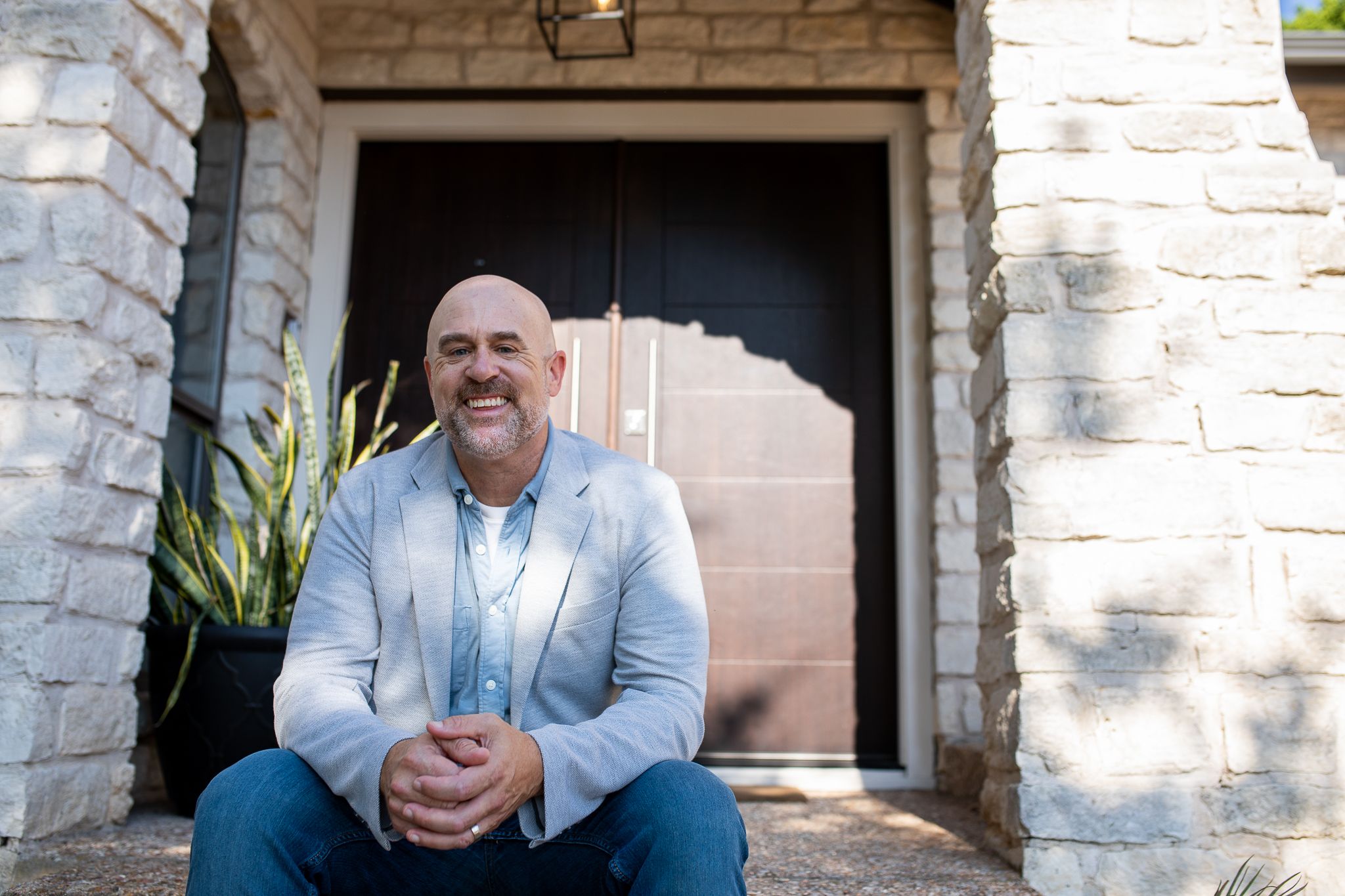
Chris Anderson
Realtor | Southwest Austin & Hill Country Realtor | Chris Anderson, 12 Rivers Realty
or another way