
Published September 9, 2026
Bee Cave Home Seller FAQ

Answers to common questions from homeowners preparing to sell a home in Bee Cave, TX, covering pricing, disclosures, closing costs, and school zoning’s effect on value.
1. How do I find out what my Bee Cave home is worth?
The most reliable way to find your Bee Cave home’s value is a comparative market analysis from a local agent who can pull recent sales on your specific street and school zone, since pricing varies significantly between Eanes ISD and Lake Travis ISD sections of the city. Online estimators can give a rough starting point, but they don’t account for school zoning, lot premiums, or recent renovations the way a local agent walking the property can. Bee Cave home values are also affected by proximity to the Hill Country Galleria and by whether the home is in an established or newer subdivision.
2. When is the best time of year to sell a home in Bee Cave?
Spring, typically March through May, generally brings the most buyer activity in Bee Cave, as families aim to close and move before the next school year starts. That said, well priced homes in strong school zones can still sell quickly at other times of year, and a lower inventory season sometimes means less competition from other sellers. The right timing also depends on your own move timeline and whether you need to buy before or after you sell. Talk with your agent about current inventory levels in your specific school zone before locking in a listing date.
3. How long will it take to sell my Bee Cave home?
Homes in Bee Cave, especially those zoned to Eanes ISD or in well established Lake Travis ISD neighborhoods, typically sell faster than homes in more rural Hill Country towns further out, where lower demand and larger, more unique properties can extend time on market. Across the Austin metro overall, homes are taking roughly 50 to 60 days to sell as of mid-2026, but well priced Bee Cave listings in strong school zones often move faster than that citywide figure. Homes priced above market or needing significant repairs will sit longer regardless of location. Your agent can give you a realistic estimate based on recent, similar sales in your specific neighborhood.
4. What repairs should I make before listing my home?
Focus repair dollars on functional issues, a leaking roof, an aging HVAC system, plumbing or electrical problems, since these are the items most likely to surface in a buyer’s inspection and derail a contract. Cosmetic updates like fresh paint, decluttering, and basic landscaping typically offer a better return than major renovations before listing. In Bee Cave’s competitive, well maintained neighborhoods, homes that show well against similar recently updated listings tend to draw stronger offers. Ask your agent to walk the property with you before listing and prioritize repairs based on what will actually affect buyer perception and inspection outcomes.
5. Should I get a pre-listing inspection?
A pre-listing inspection is not required in Texas, but it can help you identify and address issues before buyers do, reducing the chance of renegotiation or a canceled contract later. It’s particularly useful in Bee Cave, where many homes are shown to buyers relocating from other cities who want a clear picture of major systems before committing. Fixing or disclosing issues upfront, rather than letting a buyer’s inspector find them first, often keeps a deal moving instead of reopening negotiations. Your agent can help you decide whether a pre-listing inspection makes sense for your specific home and timeline.
6. What is the Texas Seller’s Disclosure Notice and do I need to complete one?
Texas law, under Section 5.008 of the Texas Property Code, requires sellers of a previously occupied single family home to complete a Seller’s Disclosure Notice describing known defects, the condition of major systems like electrical, plumbing, HVAC and roof, any known flooding or insurance claims, floodplain status, HOA existence, and the water source and sewer system type. The current TREC form has an effective date of 05/28/2026. New construction that has never been occupied, and certain transfers such as foreclosures, transfers between co-owners or relatives, transfers by an estate executor, or court ordered transfers, are exempt. Your agent can walk you through the form and help you complete it accurately, since disclosure errors can create liability after closing.
7. Does my home need to disclose anything about well or septic systems?
Well and septic disclosure is rarely an issue in Bee Cave itself, since most homes are served by municipal or MUD provided water and sewer rather than private wells or septic systems, unlike the more rural Hill Country towns further out. If your specific property does have a well or septic system, Texas disclosure rules still require you to describe its condition and any known issues on the Seller’s Disclosure Notice. Confirm your utility type with your agent early, since a small number of outlying Bee Cave properties may differ from the typical municipal setup. Buyers coming from well and septic areas often see city utilities as a selling point worth highlighting in your listing.
8. How much does it cost to sell a home in Bee Cave?
Selling a home in Bee Cave typically involves agent commission, title and closing fees, any negotiated buyer concessions, and the cost of any pre-listing repairs or staging you choose to do. Total selling costs commonly run in the range of 7 to 10 percent of the sale price once commission, closing costs, and typical concessions are factored in, though the exact figure depends on your negotiated agreements and the condition of the home. HOA resale certificate fees and any unpaid dues also get resolved at or before closing if your neighborhood has a mandatory HOA, which most Bee Cave neighborhoods do. Your agent can provide a detailed net sheet estimate before you list so there are no surprises at closing.
9. Do I have to pay the buyer’s agent commission?
Since industry wide practice changes in August 2024, buyer’s agent commission is no longer published on the MLS and is negotiated directly between a buyer and their own agent, rather than automatically paid by the seller. As a seller, you can still choose to offer buyer agent compensation as a negotiated concession to make your listing more attractive, but it is not required or advertised. Your listing agreement will spell out exactly what you’re agreeing to pay and under what conditions. Discuss this with your agent early, since commission strategy can affect how your listing is positioned against competing homes in Bee Cave.
10. Will I owe capital gains tax when I sell my Bee Cave home?
Federal law lets you exclude up to $250,000 of gain from the sale of a primary residence if you’re single, or up to $500,000 if you’re married filing jointly, as long as you owned and lived in the home for at least two of the last five years. Texas has no state income tax, so there is no additional state level capital gains tax on top of the federal rules. If your gain exceeds the exclusion amount, or the home wasn’t your primary residence for the required period, you may owe federal capital gains tax on the excess. Talk with a tax professional about your specific situation before you sell.
11. What closing costs should I expect as a seller?
As a seller in Texas, you typically pay for the owner’s title policy, a portion of escrow or attorney fees, HOA resale certificate fees if applicable, and your prorated share of property taxes up to the closing date, plus your agent’s commission. Closing costs for sellers commonly run 1 to 2 percent of the sale price before commission is factored in. Buyers typically cover their own loan related costs and the lender’s title policy, though specifics can be negotiated as part of the contract. Your agent or title company can provide an itemized estimate once you’re under contract.
12. Should I sell my current home before buying my next one?
Whether to sell first or buy first depends on your financial flexibility and the current market. In a more balanced market like mid-2026’s, selling first gives you a clearer budget and avoids carrying two mortgages, but it may mean a temporary move if your next home isn’t ready. Buying first offers a smoother transition but requires either significant cash reserves or a bridge financing solution, and carries the risk of paying two mortgages if your current home takes longer to sell. Discuss contingency offers and timing strategies with your agent, since a well structured contract can sometimes let you do both closer together than you’d expect.
13. I’m downsizing in retirement. What should I know about selling in Bee Cave?
If you’re downsizing out of a larger Bee Cave home in retirement, start by getting a clear valuation of your current property so you know your available equity before shopping for the next home. Consider whether you want to stay in Bee Cave for its convenience and access to the Hill Country Galleria, or move to a lower maintenance property in a neighboring community. Many older, established Bee Cave homes appeal strongly to move up families with school age children, which can work in your favor when it comes to marketing and pricing. Your agent can help you time the sale and next purchase together so the transition is as smooth as possible.
14. I inherited a home in Bee Cave. What do I need to know before selling it?
Selling an inherited home in Bee Cave involves some extra steps, including confirming clear title through probate if the estate hasn’t already been settled, and determining the home’s stepped up value for tax purposes as of the date of the previous owner’s death. Estate sales are exempt from the standard Seller’s Disclosure Notice requirement when the transfer is by an estate executor, though buyers may still want an inspection given the unknown maintenance history. Because these sales often involve multiple heirs or a fixed timeline, pricing and repair decisions may need to balance speed against maximizing sale price. Talk with both your agent and an estate attorney or tax professional early, since inherited property has specific legal and tax considerations beyond a typical sale.
15. How does school zoning, Eanes ISD vs Lake Travis ISD, affect what my home is worth?
Yes, it can be significant. Homes zoned to Eanes ISD within Bee Cave generally command a measurable price premium over comparable homes zoned to Lake Travis ISD, reflecting Eanes’ long standing academic reputation. When you list, make sure your marketing clearly and accurately states the specific school zoning for your address, since buyers actively search by district and an unclear or incorrect listing can cost you qualified showings. Your agent should verify your exact zoning with the appraisal district or school district boundary maps rather than relying on assumptions based on neighborhood name. Highlighting your specific school assignment, rather than a general “Bee Cave” reference, helps your listing reach the buyers most motivated to pay a premium for it.
16. How does my HOA affect the sale of my home?
Most Bee Cave neighborhoods carry a mandatory HOA, and Texas Property Code Chapter 207 requires you to provide buyers a resale certificate and current HOA documents as part of the sale. Any unpaid dues, fines, or violations on your account typically need to be resolved at or before closing, so it’s worth requesting your resale certificate early to catch any issues before they slow down the transaction. A well run HOA with reasonable dues and clear rules can be a selling point, since it signals consistent upkeep across the neighborhood. Ask your agent to help you highlight your HOA’s amenities, pools, trails, or community areas, in your listing if they add value for buyers.
17. Does being near the Hill Country Galleria affect how my home shows or sells?
Proximity to the Hill Country Galleria is a genuine selling point in Bee Cave, and it’s worth highlighting specifically in your listing description and photos rather than assuming buyers already know the distance. Homes within a short drive of the Galleria’s shopping, dining, and entertainment often show well to buyers relocating from areas with less convenient access to daily errands. That said, homes directly on or very near Highway 71 may need to address traffic noise proactively in showings, since it can be a concern for some buyers. Your agent can help position your specific location’s trade off between convenience and quiet honestly, which builds buyer trust rather than raising questions later.
18. Should I sell my home myself (FSBO) or hire a listing agent?
Selling without an agent can save on listing side commission, but it puts the burden of pricing, marketing, negotiating, disclosure compliance, and paperwork entirely on you, and mistakes in any of those areas can cost more than the commission saved. In a market like Bee Cave, where school zoning nuances and HOA requirements add complexity, an experienced local agent’s knowledge of comparable sales and disclosure rules often pays for itself. FSBO listings also miss out on MLS exposure to buyer’s agents actively searching Bee Cave inventory, which can reduce the pool of interested buyers. Weigh the time, risk, and marketing reach trade offs carefully before deciding.
19. What paperwork do I need to gather to sell my Bee Cave home?
To sell your Bee Cave home you’ll need the Seller’s Disclosure Notice, your HOA resale certificate and governing documents if applicable, your most recent property tax statement, any survey or plat you have on file, and records of major repairs or renovations. If your home was inherited, you’ll also need documentation establishing clear title, such as probate records or an affidavit of heirship. Your agent and title company will guide you through the exact documents required for your specific transaction, and gathering them early prevents delays once you’re under contract. Keep records of any permits pulled for renovations, since buyers and their lenders may ask for them during due diligence.
20. How do I choose a listing agent to sell my Bee Cave home?
Look for a listing agent with recent, specific experience selling homes in Bee Cave who can speak confidently to the price differences between Eanes ISD and Lake Travis ISD sections of the city and to current HOA and MUD details for your neighborhood. Ask how they plan to market your home’s proximity to the Hill Country Galleria and other amenities, and request a comparative market analysis based on truly comparable, nearby sales rather than a citywide average. A strong local agent will also walk you through disclosure requirements and typical closing costs upfront, so there are no surprises once you’re under contract.
About This FAQ
Chris Anderson is a residential Realtor with Twelve Rivers Realty who has worked in the Austin market for more than 20 years, focused on Southwest Austin and the Hill Country communities of Dripping Springs, Driftwood, Spicewood, Lakeway, Bee Cave and Wimberley. Chris works primarily with families relocating for schools and with longtime homeowners selling or downsizing later in life. If you’re considering selling your home in Bee Cave and want a current valuation or a marketing plan tailored to your school zone and neighborhood, contact Chris Anderson at 512-576-8546 or chrisandersonaustin.com.
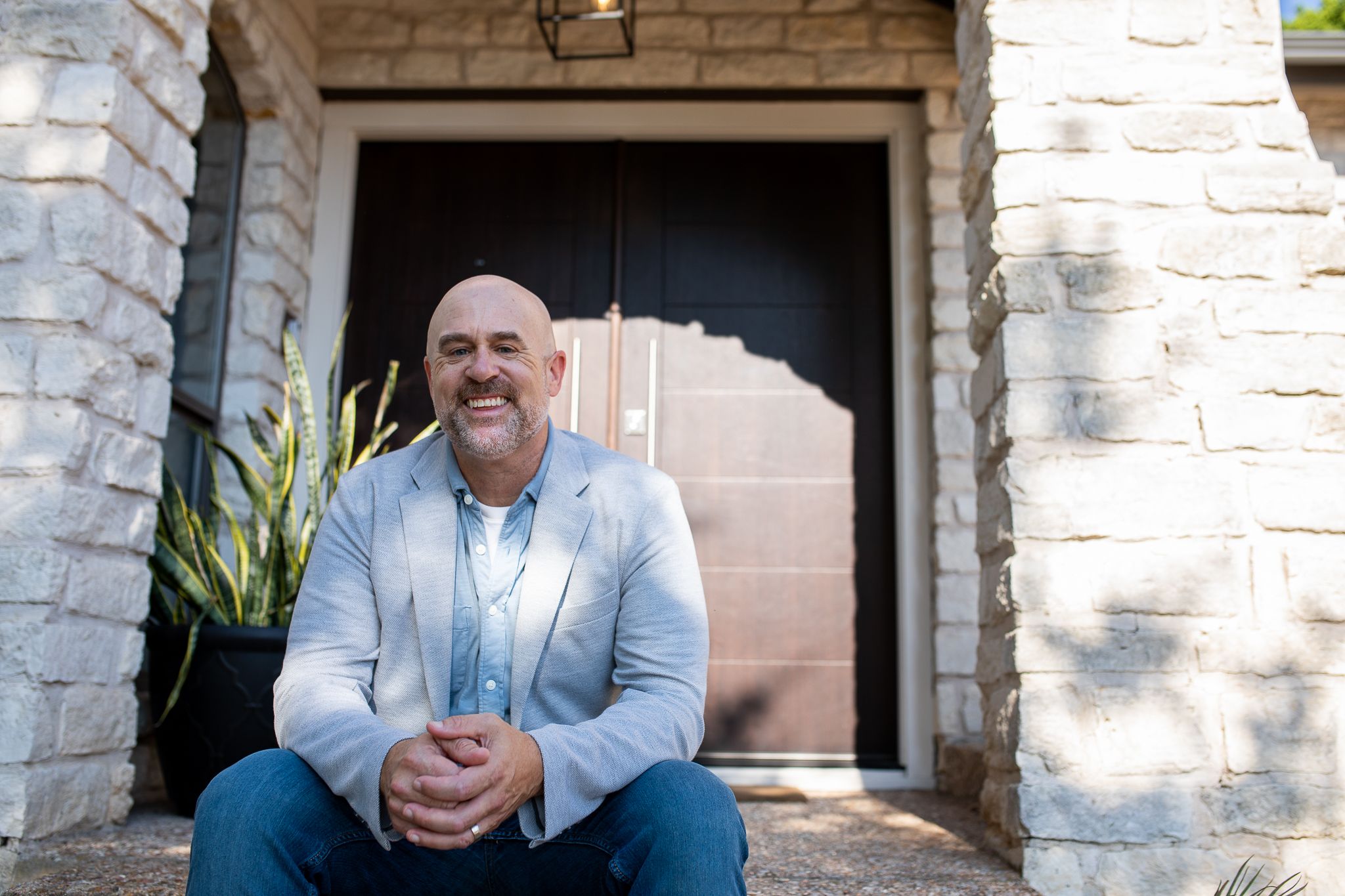
Chris Anderson
Realtor | Southwest Austin & Hill Country Realtor | Chris Anderson, 12 Rivers Realty
or another way