
Published September 6, 2026
Driftwood Home Buyer FAQ
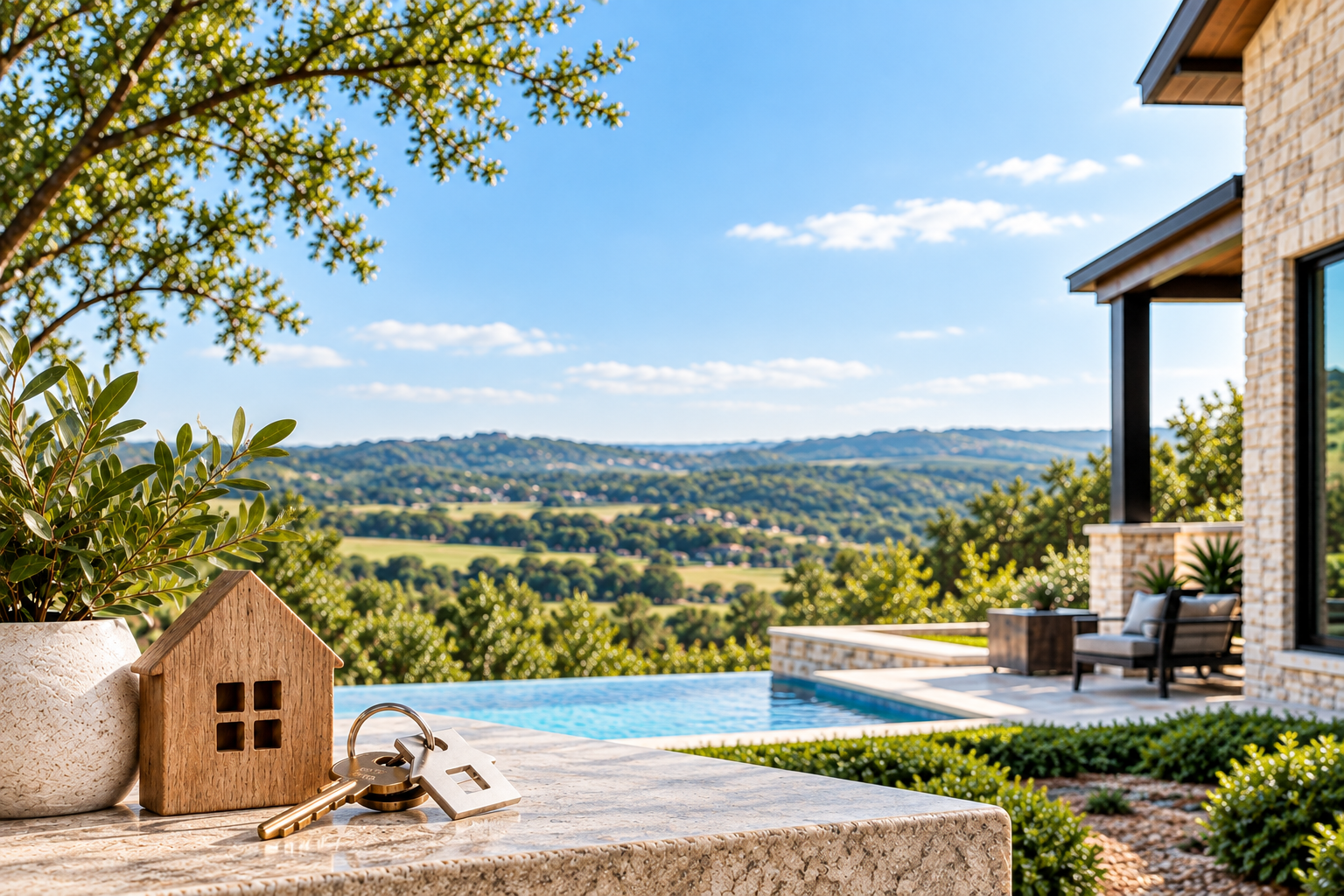
Answers to common questions about buying a home in Driftwood, Texas, covering land and acreage, well and septic systems, schools, taxes, and what makes this part of the Hill Country different from its neighbors.
1. What is it like to live in Driftwood, TX?
Driftwood is an unincorporated community in Hays County known for large acreage lots, ranch-style properties, and a slower pace than nearby towns. There is no city government and very little retail or commercial development, so most errands mean a drive into Dripping Springs or Austin. It is also part of the Texas Hill Country wine trail, home to wineries like William Chris Vineyards and Duchman Family Winery, and the original Salt Lick BBQ. Buyers are usually drawn here for privacy, land, and a rural setting within reach of the city, not for walkable amenities.
2. What school district serves homes in Driftwood?
Most of Driftwood falls in Dripping Springs ISD, with a smaller portion zoned to Hays CISD depending on the specific street and subdivision. Because zoning lines can split neighborhoods, a buyer should confirm the assigned elementary, middle, and high school for any specific address before writing an offer. This matters even more in Driftwood than in denser suburbs, since a change of a few streets can mean a different bus route and school.
3. Is Driftwood a good place to raise a family?
Driftwood works well for families who want space, privacy, and a rural lifestyle, and who are comfortable with a longer drive to schools, sports practices, and stores. Most of the community is zoned to Dripping Springs ISD, a district families relocate for specifically. Families who prioritize a large yard, room for animals, or a hobby farm tend to be happiest here, while families who want sidewalks, nearby playgrounds, or short drives to everything typically look closer into Dripping Springs or Southwest Austin instead.
4. What is the difference between living in Driftwood and Dripping Springs?
Driftwood is more rural and lower density than Dripping Springs, with larger lot sizes, more well and septic homes, and far less retail and restaurant development. Dripping Springs has a defined downtown, more subdivisions with municipal utilities, and shorter drives to shopping and dining. Buyers who want land, quiet, and distance between neighbors usually choose Driftwood, while buyers who want a walkable small-town core with services nearby often choose Dripping Springs.
5. Do homes in Driftwood have city water and sewer, or well and septic?
Nearly all homes in Driftwood run on private well water and an on-site septic system, since there is little to no municipal water or sewer service in the area. This is the standard setup here, not the exception, and it applies to most properties regardless of price point or lot size. Buyers coming from cities with municipal utilities should budget time to understand well and septic ownership before writing an offer. It affects financing, insurance, and ongoing maintenance in ways a city utility connection does not.
6. What should I check before buying a home with a well and septic system?
Before closing, a buyer should get a well flow rate and water quality test, review the well log, and have the septic system inspected, pumped, and checked against the county permit record. Hays County’s health department may also require an on-site sewage facility inspection or transfer report at the time of sale. These steps confirm the well produces enough water for the household and that the septic system is sized correctly and functioning.
7. What is the median home price in Driftwood right now?
Across the greater Austin metro, the median home sale price is running around $560,000 as of mid-2026, based on Redfin data through July. That figure is a citywide Austin number, not specific to Driftwood. Driftwood generally prices above that citywide median once land value is factored in, since most properties here sit on multi-acre lots rather than standard subdivision lots. Pricing in Driftwood is driven heavily by acreage, road frontage, and improvements, so comparing it directly to a suburban median can be misleading.
8. Is it a buyer’s market or a seller’s market in Driftwood right now?
The broader Austin market has shifted to a more balanced, buyer-favorable environment compared to the 2021 to 2022 peak, with homes typically taking 50 to 60 days to sell and closing near 97% of list price metro-wide. Driftwood tends to move slower than that average because unique acreage and custom properties attract a smaller pool of buyers. Buyers today generally have more room to negotiate on price, repairs, and timeline than they did a few years ago, especially on larger or more specialized properties.
9. What are property taxes like on a home in Driftwood?
A Texas property tax bill combines county, school district, and any applicable special district rates, such as an emergency services district. Since most of Driftwood is unincorporated, there is usually no city tax layer added on top. Combined effective rates across Central Texas commonly run 1.5% to 2.2% of assessed value depending on the taxing entities involved. Homeowners can protest their appraised value annually with the county appraisal district if it seems too high.
10. Can I get a homestead exemption on a home in Driftwood?
Yes, if the home is your primary residence, you can file for a general homestead exemption with the Hays County Appraisal District, which is applied by the school district as a mandatory exemption and may also be offered by the county as an optional exemption up to 20% of value. Homeowners 65 or older, or those with a qualifying disability, can claim an additional exemption and a school tax ceiling. Filing the exemption after closing is one of the most overlooked steps for new buyers, and it can meaningfully lower the annual tax bill.
11. What is an agricultural exemption and can I keep it when I buy land in Driftwood?
An agricultural valuation, often called an ag exemption, lowers the taxable value of qualifying land based on its agricultural use rather than its market value, and it can significantly reduce the tax bill on larger acreage tracts. It does not automatically transfer to a new owner. A buyer typically needs to apply with the Hays County Appraisal District and continue a qualifying agricultural use to keep the reduced valuation, and losing that status can trigger rollback taxes. Ask about a property’s current ag status early, since it affects both the tax bill and how the land can be used.
12. How long is the commute from Driftwood to downtown Austin?
Expect a longer commute from Driftwood than from Dripping Springs or Southwest Austin, generally in the range of 35 to 50 minutes to downtown depending on traffic and the specific route. Most residents commute via RM 12 or FM 150 to connect to Highway 290 or Highway 71. Buyers relocating for a downtown or central Austin job should factor this drive time into their decision, since it is one of the biggest tradeoffs for the land and privacy Driftwood offers.
13. Are there HOA fees on homes in Driftwood?
Many Driftwood properties, especially larger acreage tracts, have no HOA at all, which is different from most Southwest Austin subdivisions. Some newer or platted neighborhoods do have a mandatory HOA with dues and deed restrictions, so this varies property by property rather than being a given across the community. If a home is in a mandatory HOA, Texas law requires the seller to provide a resale certificate and current HOA documents before closing.
14. What should I know about buying acreage in Driftwood?
Acreage properties require extra due diligence beyond a standard home purchase, including confirming usable versus unusable land, checking for easements, and verifying legal road access. Not all acreage is buildable or usable the same way, since terrain, floodplain, and easements can limit what you can actually do with the land. A survey and title review are especially important on larger tracts to confirm boundaries and any shared access agreements.
15. What should I know about private or unpaved roads in Driftwood?
Some Driftwood properties are accessed by private or unpaved roads rather than county-maintained streets, and that changes who is responsible for upkeep. When a road is private, buyers should ask whether a formal road maintenance agreement exists among the property owners who use it, since unclear responsibility can lead to disputes and unexpected costs later. This is also relevant to emergency access and mail or delivery service. Confirming road status and any maintenance agreement should happen during due diligence, before the option period ends.
16. Will I hear noise or traffic from nearby wineries or wedding venues?
It’s possible, since Driftwood has a notable concentration of wineries and wedding or event venues along with its acreage properties. A property near or adjacent to an active venue can have periodic weekend noise, event traffic, or additional cars on a rural road during peak season. This is worth asking about directly for any property under consideration, and a showing on a Friday or Saturday evening can give a realistic sense of what nearby activity actually sounds and looks like.
17. Is new construction available in Driftwood, or is it mostly resale?
Driftwood is mostly a resale and custom-build market rather than a production new-construction market, since large-scale subdivisions with municipal utilities are limited here. Buyers who want new construction more often build custom on acreage or look toward Dripping Springs, where production builders are more active. Custom building in Driftwood involves its own timeline for well drilling, septic permitting, and county approvals, which typically takes longer than buying an existing home.
18. Is Driftwood a good place to retire or downsize to?
Driftwood suits retirees who want privacy, land, and quiet over walkability and nearby amenities, since there are few shops, medical offices, or services within the community itself. Single-story ranch homes on smaller acreage tracts are available and can work well for downsizing without giving up rural character entirely. Buyers considering this move should weigh the longer drive to medical care and everyday errands against the appeal of more land and fewer neighbors.
19. How many homes are typically for sale in Driftwood at any given time?
Driftwood has a much smaller and more specialized inventory than Southwest Austin or Dripping Springs, since it is a smaller community made up largely of unique acreage and custom properties rather than standard subdivisions. That means fewer comparable listings at any given time and a smaller pool of buyers competing for any one property. It also means the right property for a specific buyer may take longer to come on the market, so working with an agent who tracks new and off-market listings closely matters more here than in a high-volume subdivision.
20. How do I choose the right buyer’s agent for a Driftwood purchase?
Look for an agent with direct experience closing acreage and well and septic properties in Driftwood specifically, not just general Austin-area experience. Land purchases involve extra steps around surveys, easements, road access, and agricultural valuation that a subdivision-focused agent may not handle regularly. Ask a prospective agent how many rural or acreage transactions they have closed in Hays County and how they structure inspection timelines for well and septic systems.
About This FAQ
Chris Anderson is a residential Realtor with Twelve Rivers Realty who has worked in the Austin market for more than 20 years, focused on Southwest Austin and the Hill Country communities of Dripping Springs, Driftwood, Spicewood, Lakeway, Bee Cave and Wimberley. Chris works primarily with families relocating for schools and with longtime homeowners selling or downsizing later in life. If you are considering a move to Driftwood and want a straight answer about a specific property or neighborhood, contact Chris at 512-576-8546 or chrisandersonaustin.com.
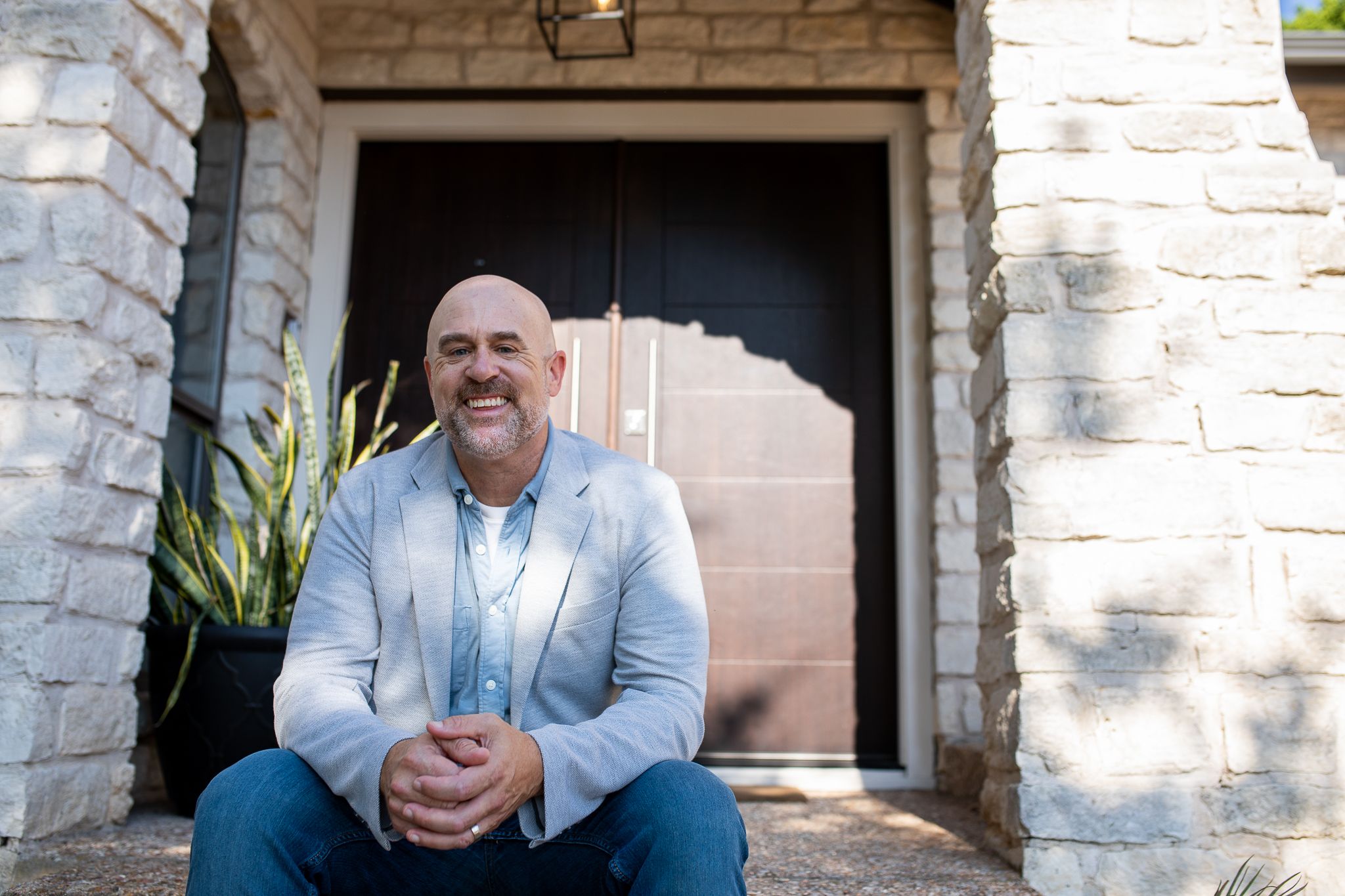
Chris Anderson
Realtor | Southwest Austin & Hill Country Realtor | Chris Anderson, 12 Rivers Realty
or another way