
Published September 6, 2026
Southwest Austin & Hill Country Home Buyer FAQ

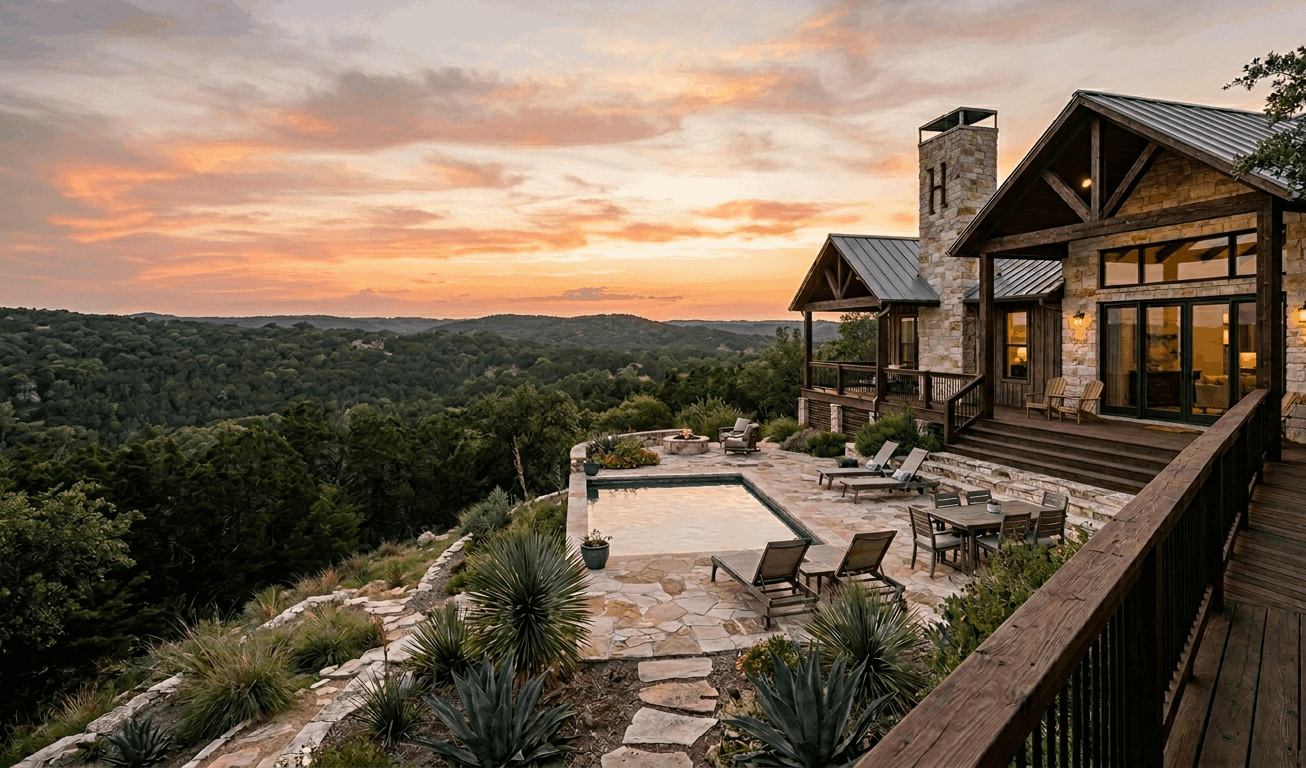
Answers to the 20 questions buyers ask most before purchasing a home in Southwest Austin, Dripping Springs, Lakeway, Spicewood, Driftwood, Bee Cave and Wimberley.
1. What is the best area in Southwest Austin for a family with school-age kids?
The right area depends on which school district you want and how much land or space you need. Families who want walkable neighborhoods inside Austin proper tend to look at Circle C Ranch, Travis Country, Legend Oaks and the Village at Western Oaks (Austin ISD and Eanes ISD boundaries overlap this area depending on the street). Families who want newer construction, bigger lots and top-rated schools tend to move further out to Dripping Springs or Lakeway. There is no single “best” pocket; it comes down to school assignment, commute tolerance and budget.
2. Which school districts serve Southwest Austin and the Hill Country?
Five districts cover most of this region: Austin ISD (parts of 78735, 78736, 78745, 78749), Eanes ISD (Bee Cave, West Lake Hills, parts of 78733 and 78746), Lake Travis ISD (Lakeway, The Hills, parts of Spicewood and Bee Cave), Dripping Springs ISD (Dripping Springs and Driftwood) and Wimberley ISD (Wimberley and parts of Hays County). School zoning can change street by street, so always confirm the assigned campus for a specific address before writing an offer.
3. Is Dripping Springs, TX a good place to raise a family?
Yes. Dripping Springs is one of the fastest-growing communities in the Austin metro because of Dripping Springs ISD, new-construction inventory, and larger lot sizes than you’ll find inside Austin’s city limits. The tradeoff is a longer commute into downtown Austin and, in many neighborhoods, well water and septic instead of city utilities.
4. What’s the difference between Lakeway and Bee Cave, TX?
Lakeway is a larger, more established city on Lake Travis with a mix of golf-course communities, condos and single-family neighborhoods, most zoned to Lake Travis ISD. Bee Cave is smaller and more commercial, anchored by the Hill Country Galleria, with homes split between Lake Travis ISD and Eanes ISD depending on the section. Buyers who want lake access and more housing variety usually lean toward Lakeway; buyers who want walkable retail and Eanes ISD schools lean toward Bee Cave.
5. Do homes in the Hill Country use well water and septic systems?
Many do. Outside the City of Austin and the larger suburban cities (Lakeway, Bee Cave), a large share of homes in Dripping Springs, Driftwood, Spicewood and Wimberley are on private well water and septic rather than municipal utilities. Some newer subdivisions have negotiated central water through a municipal utility district (MUD) or water supply corporation, but septic is still common even in newer neighborhoods. Always confirm the utility setup before you tour, since it affects both monthly costs and inspection requirements.
6. What should I check before buying a home with a well and septic system?
Have the septic system inspected and pumped as part of your option period, and ask the seller for the septic permit on file with the county (Hays County or Travis County). For the well, request the well log, a flow-rate and water-quality test, and find out how deep the well is and how old the pump is. Lenders often require septic and well inspections for financing, so build this into your timeline early rather than waiting until closing week.
7. What is the median home price in Southwest Austin and the Hill Country right now?
As of mid-2026, the median home sale price across the Austin metro is running around $560,000, with homes typically selling in about 50 to 60 days and closing near 97% of list price. Southwest Austin and the Hill Country suburbs (Dripping Springs, Lakeway, Spicewood) generally price above the metro median because of larger lots, newer construction and school-district demand, while some Southwest Austin pockets inside the city price closer to it. Ask for a current comparative market analysis for the specific neighborhood you’re considering, since pricing varies block by block.
8. Is it currently a buyer’s market or a seller’s market in the Austin area?
Conditions have shifted in buyers’ favor compared to the peak years of 2021 to 2022. Inventory has grown, homes are taking longer to sell, and many sellers are negotiating on price and closing costs. It’s not a deep buyer’s market across every price point and school zone, though, so well-priced homes in sought-after districts like Eanes ISD and Lake Travis ISD can still see multiple offers.
9. How much are property taxes in Southwest Austin, Travis County and Hays County?
Your total property tax bill combines several taxing entities: the county, the city (if any), the school district, and sometimes a municipal utility district or emergency services district. Combined rates across Central Texas commonly land somewhere between 1.5% and 2.2% of assessed value per year, depending on which entities apply to a given address. Because Hays County (Dripping Springs, Driftwood, Wimberley) and Travis County (most of Southwest Austin, Lakeway, Bee Cave, Spicewood) set rates independently, always ask for the exact combined rate on a specific property rather than assuming a countywide average.
10. How can homeowners lower their property tax bill in Texas?
File a homestead exemption on your primary residence as soon as you close; it’s free and reduces your taxable value. Texas school districts apply a mandatory homestead exemption, and many cities and counties add their own on top of it; Travis County, for example, applies the maximum 20% homestead exemption allowed by law. Homeowners 65 or older, or those with a qualifying disability, can claim an additional exemption and a tax ceiling on their school district taxes. You can also protest your appraised value with the county appraisal district each year if it seems too high.
11. How long is the commute from Dripping Springs, Lakeway or Wimberley to downtown Austin?
Expect roughly 30 to 40 minutes outside of rush hour from Dripping Springs or Lakeway into downtown Austin, and 45 minutes or more during peak traffic on Highway 290 or Highway 71/Mopac. Wimberley and Spicewood are farther out, with typical commutes closer to 45 to 60 minutes depending on the route and time of day. If a daily downtown commute matters to you, drive it yourself at the actual time you’d be commuting before you make an offer.
12. What neighborhoods in Southwest Austin are popular with retirees and downsizing sellers?
Single-story neighborhoods with low-maintenance lots in Circle C Ranch, Legend Oaks, Travis Country and sections of Lakeway are popular with sellers looking to downsize while staying close to family, medical care and familiar routines. Many retirees also relocate within the Hill Country to smaller homes or patio homes in Dripping Springs or Lakeway to free up equity while staying in the area they know. A local agent can help identify one-story, low-upkeep inventory that doesn’t always show up in a general online search.
13. Are there HOA fees in Lakeway, Bee Cave and Spicewood communities?
Most planned communities in Lakeway, Bee Cave and the newer Spicewood subdivisions carry a mandatory homeowners association fee, typically funding shared amenities like pools, trails, parks or gated entrances. Fees vary widely, from a few hundred dollars a year in smaller communities to several thousand in amenity-rich developments. Some older or more rural properties, particularly acreage in Driftwood or Wimberley, have no HOA at all. Always review the HOA’s financials and rules before closing, not just the fee amount.
14. Is Circle C Ranch a good neighborhood for families?
Yes. Circle C Ranch is one of Southwest Austin’s most established family neighborhoods, with a mix of Austin ISD and Eanes ISD-zoned streets, a public golf course, a public pool with a splash pad, extensive greenbelt trails, and easy access to Mopac and Slaughter Lane. It’s a good fit for families who want established landscaping and mature trees rather than new construction, along with a shorter commute than the outer Hill Country suburbs.
15. What’s the difference between Southwest Austin and the Hill Country suburbs?
Southwest Austin generally refers to neighborhoods inside or near Austin’s city limits, in zip codes like 78735, 78736, 78737, 78745 and 78749, with city utilities, established landscaping and a shorter drive downtown. The Hill Country suburbs, including Dripping Springs, Driftwood, Spicewood, Lakeway and Bee Cave, sit farther west and southwest, generally offer larger lots and newer construction, and more often rely on well water, septic and MUD utilities. Both areas share Hill Country terrain and greenbelt access, but lot size, school zoning and commute time are the main tradeoffs between them.
16. Should I buy new construction or a resale home in Dripping Springs or Driftwood?
New construction offers builder warranties, current energy codes and move-in-ready finishes, but often comes with a MUD tax rate on top of standard property taxes and less mature landscaping. Resale homes typically sit on larger established lots with mature trees and, in many cases, a lower combined tax rate, but may need updating and require closer inspection of the well and septic system. Neither option is automatically better; it depends on your timeline, budget and how much renovation you’re willing to take on.
17. Why is Eanes ISD considered one of the top school districts near Austin?
Eanes ISD, which serves West Lake Hills, Bee Cave and parts of Southwest Austin, consistently ranks among the highest-performing districts in the Austin metro on state accountability ratings, and its schools feed into a small, close-knit community. That academic reputation is a major driver of home values in Eanes ISD boundaries, and homes zoned to the district typically carry a price premium over comparable homes just outside the boundary line. If Eanes ISD is a priority, confirm school zoning for a specific address before you fall in love with the house.
18. How much land can I get for my money in Driftwood or Spicewood compared to inside Austin?
Meaningfully more. Half-acre to multi-acre lots are common in Driftwood and Spicewood, compared to standard quarter-acre or smaller lots inside Austin’s city limits at a similar price point. The tradeoff is distance from downtown, reliance on well and septic in many neighborhoods, and, in some cases, higher costs for long driveways, culverts or land clearing if you’re building new. For buyers who want acreage, a horse property or simply more separation from neighbors, this is usually the strongest reason to look west of Austin.
19. What should older homeowners know about selling and downsizing in Southwest Austin?
Start by getting a current, honest valuation of your home rather than relying on an online estimate, since lot size, school zoning and recent updates all move value in this market more than automated tools account for. Ask about timing options that let you sell your current home and secure your next one without carrying two mortgages or moving twice, and get a clear breakdown of closing costs, including any prorated property taxes, before you list. A local agent who works regularly with downsizing sellers can also help coordinate movers, estate sales and a realistic timeline that isn’t rushed.
20. How do I choose a Realtor who specializes in Southwest Austin and the Hill Country?
Look for an agent who can speak specifically to school zoning down to the street level, knows which neighborhoods rely on well and septic versus city utilities, and can pull recent comparable sales in the exact subdivision you’re considering, not just the broader zip code. Ask how long they’ve worked this specific submarket and how many transactions they’ve closed in it recently. Local, submarket-level experience matters more here than a large regional footprint, since pricing, utilities and school boundaries can change from one street to the next.
About This FAQ
Prepared by Chris Anderson, a residential Realtor with Twelve Rivers Realty who has worked in the Austin market for more than 20 years, focused on Southwest Austin and the Hill Country communities of Dripping Springs, Driftwood, Spicewood, Lakeway, Bee Cave and Wimberley. Chris works primarily with families relocating for schools and with longtime homeowners selling or downsizing later in life.
Have a question this FAQ didn’t answer? Contact Chris Anderson at 512-576-8546 or through chrisandersonaustin.com.
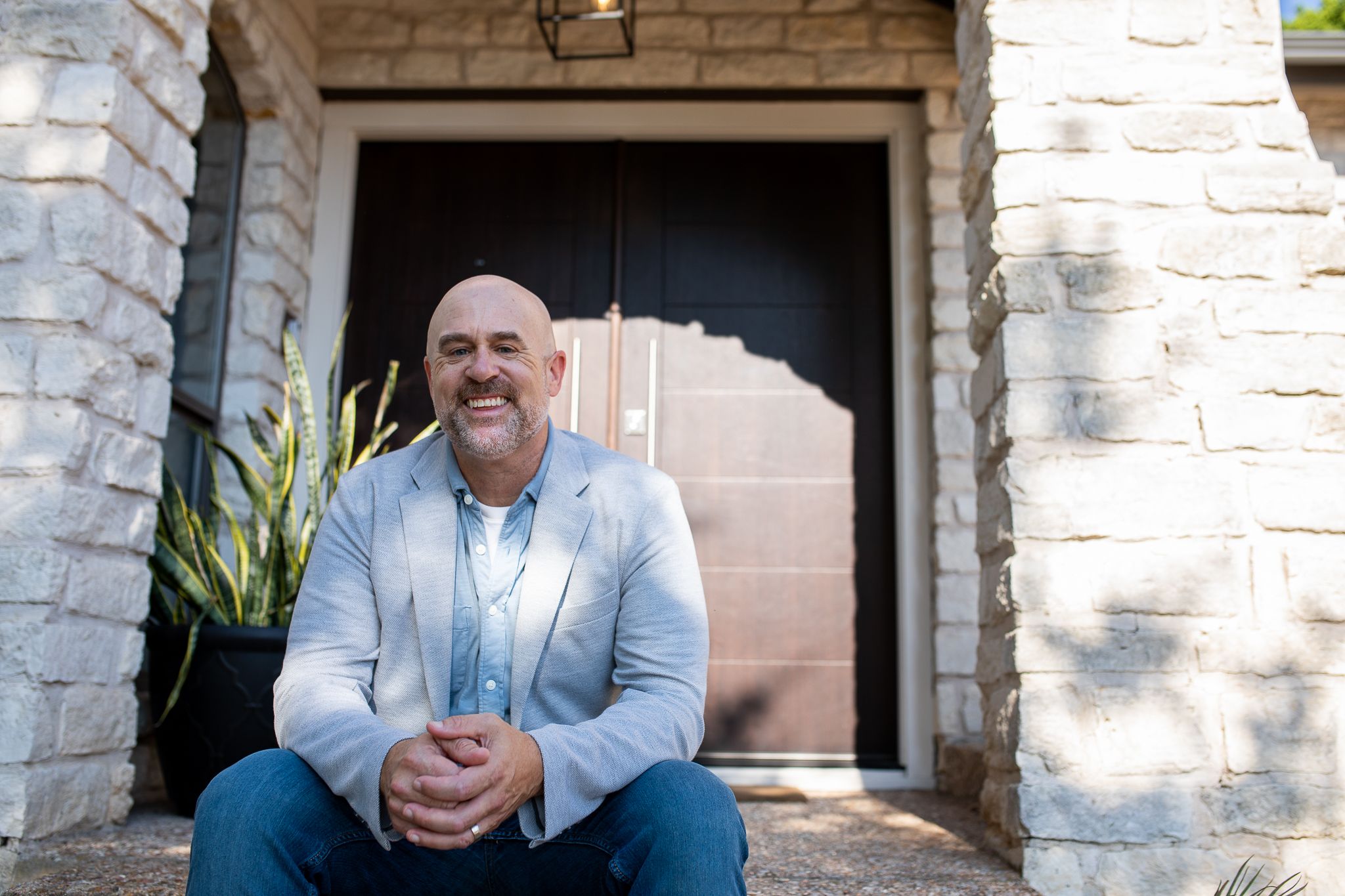
Chris Anderson
Realtor | Southwest Austin & Hill Country Realtor | Chris Anderson, 12 Rivers Realty
or another way