
Published September 6, 2026
Southwest Austin & Hill Country Home Seller FAQ

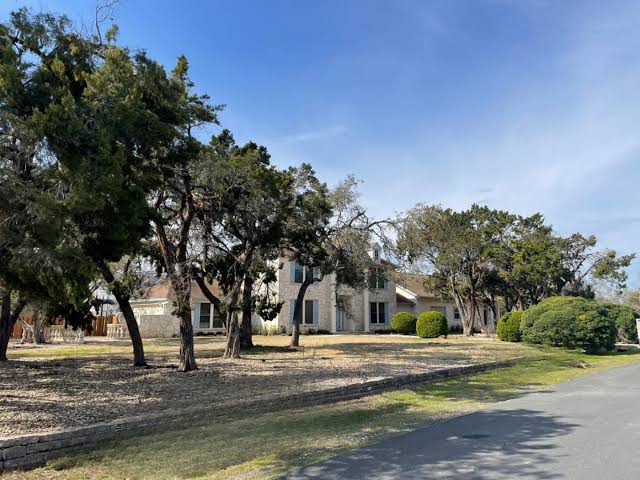
Answers to the 20 questions homeowners ask most before listing a home for sale in Southwest Austin, Dripping Springs, Lakeway, Spicewood, Driftwood, Bee Cave and Wimberley.
1. How do I find out what my home is worth in Southwest Austin right now?
The most accurate number comes from a comparative market analysis (CMA) built from recent closed sales, active competition and pending contracts in your specific neighborhood, not a nationwide online estimate. Automated valuation tools miss lot size, school zoning, recent updates and well/septic condition, all of which move price meaningfully in this market. Ask a local agent for a CMA specific to your subdivision before you set an asking price.
2. Is now a good time to sell my home in Southwest Austin?
It depends on your price point and school zone more than the calendar. As of mid-2026, the Austin metro is a more balanced, buyer-favorable market than the peak years of 2021 to 2022, with homes taking roughly 50 to 60 days to sell on average and closing near 97% of list price. Well-priced homes in high-demand districts like Eanes ISD and Lake Travis ISD, and move-in-ready homes with updated systems, are still selling briskly; overpriced or dated listings are sitting longer.
3. What is the best month to list a home for sale in Southwest Austin?
Spring through early summer, roughly March through June, typically brings the most buyer activity in the Austin area, driven partly by families who want to close and move before the new school year starts. That said, well-priced homes in strong school zones sell in every season, and less competition in fall or winter can work in a seller’s favor if the home is priced and presented well. Talk to your agent about current inventory levels in your specific neighborhood before picking a list date.
4. How long does it typically take to sell a home in Southwest Austin or the Hill Country?
Across the Austin metro, homes are averaging roughly 50 to 60 days on market as of mid-2026, though this varies significantly by price point, condition and school zone. Well-priced homes in sought-after districts and move-in-ready condition often go under contract faster; higher-priced, unique or acreage properties in Driftwood, Spicewood and Wimberley can take longer simply because the buyer pool is smaller. Your agent should give you a realistic timeline based on recent, comparable closings, not a generic metro average.
5. What repairs or updates should I make before listing my home?
Focus first on anything a buyer’s inspector or lender is likely to flag: roof condition, HVAC function, foundation issues and, if applicable, well and septic performance. After that, cosmetic updates with the best return are usually fresh paint, deep cleaning, decluttering and basic landscaping cleanup rather than full renovations. A pre-listing walkthrough with your agent can identify which repairs actually affect price and which ones buyers won’t notice or won’t pay extra for.
6. Do I need a home inspection before I sell?
It’s not legally required, but a pre-listing inspection can surface issues early, before a buyer’s inspector finds them during the option period and uses them to renegotiate price or request repairs. This is especially useful for homes on well and septic systems in Dripping Springs, Driftwood, Spicewood and Wimberley, where system condition is a common point of negotiation. Finding out ahead of time gives you the choice to repair, price accordingly, or disclose and move forward.
7. What is a Texas Seller’s Disclosure Notice, and what do I have to disclose?
Under Section 5.008 of the Texas Property Code, most sellers of a previously occupied single-family home must complete a Seller’s Disclosure Notice covering known defects, the condition of major systems (electrical, plumbing, HVAC, roof), known flooding or insurance claims, floodplain status, and whether the property is subject to an HOA, among other items. Certain transfers are exempt, including new construction that’s never been occupied and some transfers between relatives, co-owners or through an estate. Because the required form is updated periodically, always use the current version and have your agent or an attorney walk through it with you.
8. Do I have to disclose a well or septic system issue when selling?
Yes. The Texas Seller’s Disclosure Notice specifically asks about your water source and sewer system type, and if you’re aware of a defect in the well or septic system, you’re required to disclose it. In Hays and Travis County, on-site sewage facilities (septic systems) may also require an inspection or transfer report with the local health department at the time of sale. If you’re not sure about the current condition of your well or septic system, having it evaluated before you list avoids surprises during the buyer’s option period.
9. How much does it cost to sell a house in Texas?
The two biggest costs are agent commission and closing costs, and both are negotiable rather than fixed by law. Closing costs for sellers in Texas, excluding commission, typically run in the range of 1% to 3% of the sale price and can include the owner’s title policy, prorated property taxes, HOA transfer or resale certificate fees, and payoff of any existing mortgage or liens. Ask your agent for a full seller net sheet early in the process so there are no surprises at closing.
10. Who pays the buyer’s agent commission now that the rules have changed?
Since the 2024 industry-wide changes to how commissions are handled, buyer’s agent compensation is no longer published on the MLS and is negotiated directly between the buyer and their agent. Sellers can still choose to offer compensation toward the buyer’s agent as part of their marketing strategy, but it’s a negotiated decision rather than an automatic one. Ask your listing agent to walk through the current options and how each one affects your net proceeds and buyer interest.
11. Will I owe capital gains tax when I sell my home?
Many sellers owe nothing. If the home has been your primary residence for at least two of the last five years, federal law lets you exclude up to $250,000 of gain if you’re single, or up to $500,000 if you’re married filing jointly. Texas has no state income tax, so there’s no additional state-level capital gains tax on top of that. If your gain could exceed the exclusion, or the home wasn’t your primary residence, talk to a tax professional before you list, since the numbers are specific to your situation.
12. What closing costs should I expect as a seller in Texas?
Beyond commission, expect to see the owner’s title policy (customarily paid by the seller in Texas), a share of the closing or escrow fee, prorated property taxes up to the closing date, and, if applicable, an HOA resale certificate fee and payoff of any mortgage or home equity line. If you’re offering a home warranty or making buyer-requested repairs after inspection, those come out of proceeds as well. Your agent should provide an estimated net sheet before you accept an offer, not just at closing.
13. Should I sell my home before or after buying my next one?
There’s no universal answer; it depends on your equity, financing needs and risk tolerance. Selling first gives you a firm number to work with and avoids carrying two mortgages, but may mean a temporary move or rent-back arrangement. Buying first gives you certainty about your next home but usually requires either enough cash or a bridge financing option to cover both properties briefly. Many sellers in Southwest Austin negotiate a rent-back period with their buyer, staying in the home for a set number of days after closing while they finalize their next move.
14. What if I need to sell my home to downsize in retirement?
Start with a realistic valuation and a conversation about timing options, since downsizing sellers often have more flexibility than a typical move but also more at stake financially. A rent-back agreement, a sale contingency on your next purchase, or a short-term bridge loan can all help you avoid moving twice or carrying two mortgages. A local agent who regularly works with downsizing sellers can also help coordinate movers, estate sales and a timeline that isn’t rushed.
15. How do I sell a home I inherited or a home held in a trust or estate?
Start by confirming how title is currently held and whether the estate has gone through probate, since that affects who has legal authority to sign a listing agreement and contract. Heirs typically receive a “step-up” in tax basis to the home’s fair market value as of the date of death, which can significantly reduce or eliminate capital gains tax on a fairly prompt sale, but this should be confirmed with a tax professional or estate attorney. An agent experienced with estate and trust sales can also help coordinate with the executor, other heirs and any court requirements before listing.
16. Does my home’s school district affect how it sells?
Yes, significantly in this market. Homes zoned to top-rated districts like Eanes ISD, Lake Travis ISD and Dripping Springs ISD typically attract more buyer interest and often command a price premium over similar homes just outside the boundary. If your home is zoned to one of these districts, that should be front and center in your marketing, since it’s one of the first things family buyers search for. Make sure your listing clearly states the exact assigned campuses, not just the district name.
17. Do HOA rules or fees affect my ability to sell?
Yes. If your home is in a mandatory homeowners association, Texas law requires you to provide the buyer with a resale certificate and current HOA documents, and any unpaid HOA dues or fines typically need to be resolved before or at closing. Buyers will review these documents closely, so it helps to request your resale certificate early, since some HOA management companies take a week or more to produce it. Homes without an HOA, common on larger lots in Driftwood and Wimberley, skip this step entirely.
18. Should I sell for sale by owner (FSBO) or hire a listing agent?
FSBO can save on listing-side commission, but sellers typically take on pricing, marketing, showings, negotiation, disclosure compliance and contract management themselves, and pricing mistakes or disclosure errors can cost far more than the commission saved. In a more balanced market like the current one, professional marketing, accurate pricing and negotiation experience tend to matter more, not less. If you’re considering FSBO, at minimum have a local agent or real estate attorney review your disclosure notice and contract before you sign anything.
19. What paperwork do I need to sell my house in Texas?
At minimum, expect to provide the Seller’s Disclosure Notice, the listing agreement, the purchase contract and any addenda, your most recent mortgage statement or payoff information, HOA documents if applicable, and any permits or warranties related to work you’ve had done on the home. If you’re on well or septic, well logs and septic permit or inspection records are also commonly requested. Your agent and the title company will guide you through the full list based on your specific transaction.
20. How do I choose a listing agent who knows Southwest Austin and the Hill Country?
Look for an agent who can point to recent closed sales in your specific neighborhood or subdivision, not just the broader zip code, and who can speak knowledgeably about your school zoning, HOA and, if applicable, well and septic considerations. Ask how they price homes, how they’ve handled recent negotiations in a more balanced market, and how many transactions they’ve closed in your area in the last year. Local, submarket-level experience typically outperforms a larger regional footprint when it comes to pricing accuracy and buyer reach in this market.
About This FAQ
Prepared by Chris Anderson, a residential Realtor with Twelve Rivers Realty who has worked in the Austin market for more than 20 years, focused on Southwest Austin and the Hill Country communities of Dripping Springs, Driftwood, Spicewood, Lakeway, Bee Cave and Wimberley. Chris works primarily with families relocating for schools and with longtime homeowners selling or downsizing later in life.
Thinking about selling and want a specific valuation for your home? Contact Chris Anderson at 512-576-8546 or through chrisandersonaustin.com.
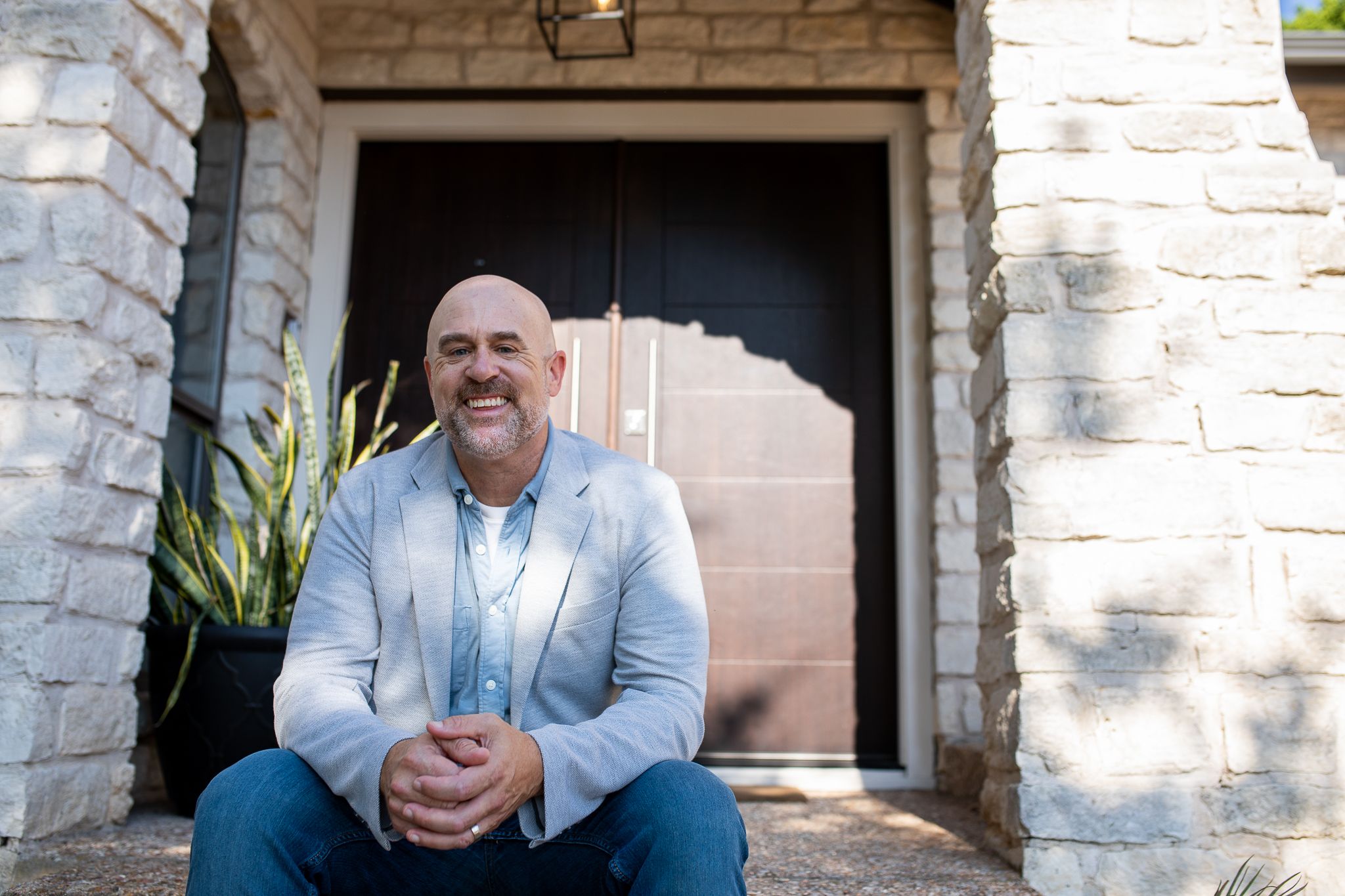
Chris Anderson
Realtor | Southwest Austin & Hill Country Realtor | Chris Anderson, 12 Rivers Realty
or another way