
Published September 9, 2026
Spicewood Home Buyer FAQ

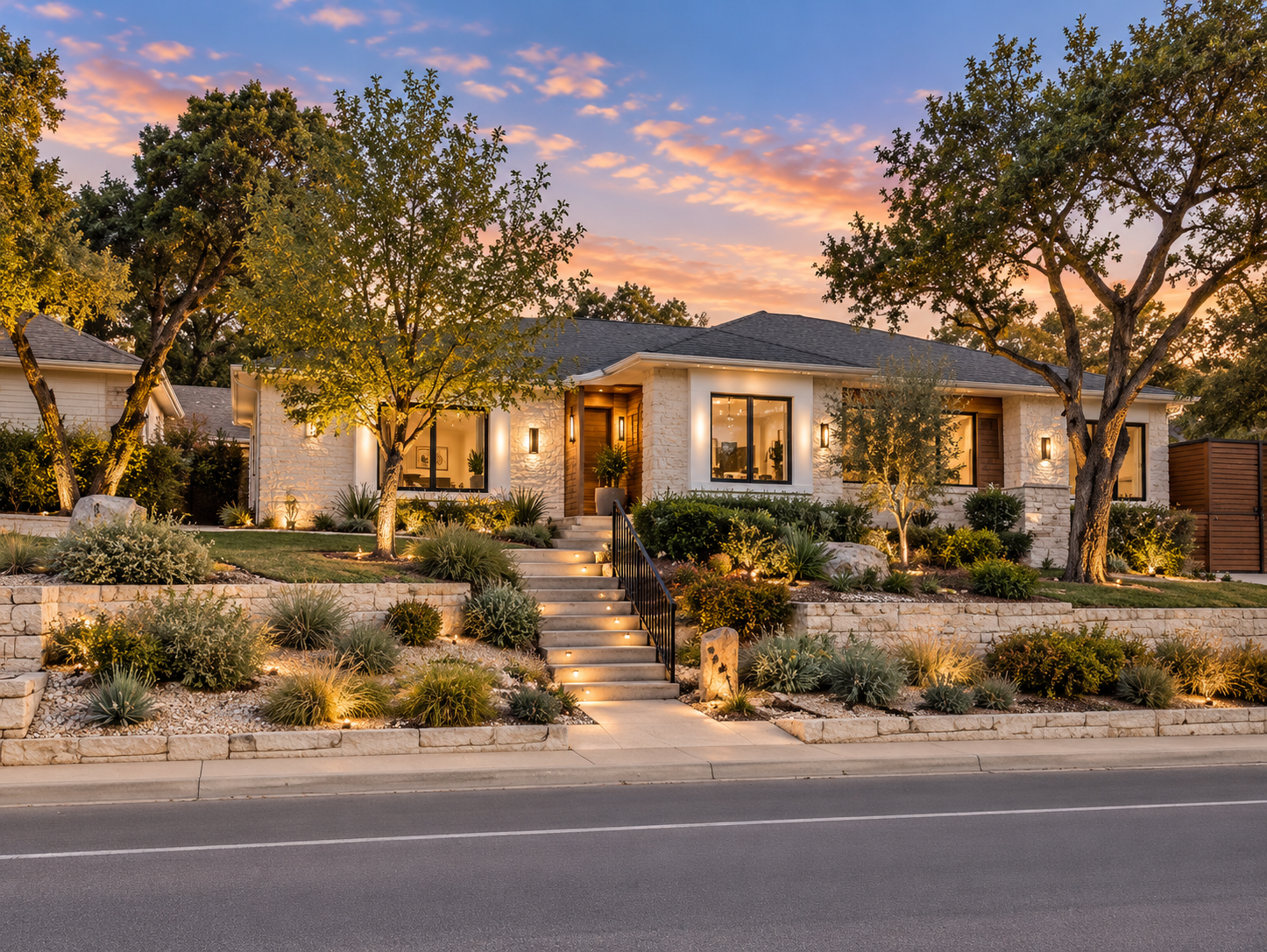
Answers to common questions about buying a home in Spicewood, Texas, a Hill Country community on the west end of Lake Travis, covering county lines, schools, well and septic systems, land and acreage, and the local market as of 2026.
1. What is it like to buy a home in Spicewood, TX?
Spicewood is a rural to semi-rural Hill Country community on the western end of Lake Travis, near the Pedernales River arm of the lake. Most buyers are choosing between acreage or ranch style properties inland and lake access or lake view homes closer to the water. It is quieter and lower density than Lakeway or Bee Cave, with a smaller buyer pool and more land per lot. Well water and septic systems are the norm rather than the exception, and many properties come with wineries, hiking, and lake recreation nearby as the main lifestyle draw.
2. What county is Spicewood in?
Spicewood is unusual in that it spans three counties: most of it sits in Burnet County, with parts also in Travis County and Blanco County. The zip code 78669 covers all three. Because the county affects your appraisal district, property tax rate, and sometimes even your school district, always confirm the exact county for a specific address before you make an offer, rather than assuming based on the mailing address alone.
3. Which school district serves Spicewood?
Marble Falls ISD is the primary school district covering Spicewood, but some Spicewood addressed areas, particularly closer to the lake, are zoned to Lake Travis ISD instead. The zoning can change from one street to the next depending on which county and district lines the property falls in. Always confirm the assigned elementary, middle, and high school for a specific address with the relevant district or a title search, rather than relying on the zip code.
4. Do Spicewood homes have city water and sewer?
No. The large majority of homes in Spicewood rely on a private well for water and a septic system for wastewater, since municipal water and sewer service is limited in the area. This is standard for the area rather than a red flag, but it does mean well and septic condition should be part of your due diligence on any property you are considering.
5. What should I check on the well and septic before buying?
Get a well flow rate and water quality test along with the well log, and have the septic system inspected, pumped, and checked against the county’s permit and inspection records. A weak well or an undersized or failing septic system can be expensive to fix or replace, so this should happen during your option period, not after closing. Ask your agent to help you request the well and septic history along with the Seller’s Disclosure Notice.
6. What is an agricultural exemption and does it matter here?
An agricultural, or “ag,” exemption lowers the taxable value of qualifying land based on its agricultural use rather than its market value, and it can substantially reduce the annual property tax bill on larger Spicewood parcels. If you are buying acreage that currently carries an ag exemption, ask what use qualifies it, whether that use will continue, and what happens to your tax bill if the exemption is removed. Your agent and the county appraisal district can walk through the specific requirements for a given property.
7. Can I get lake access in Spicewood without buying waterfront property?
Yes. Some Spicewood properties have private docks or direct shoreline access, but many buyers use public access points instead, including boat ramps and parks managed by the LCRA and Burnet County along Lake Travis. If lake access matters to you, it is worth clarifying up front whether you want a private dock, a property with a shared or deeded access easement, or simply proximity to a public ramp, since the price difference between those options can be significant.
8. What is the median home price in Spicewood?
Spicewood does not track separately from citywide Austin metro numbers in most published reports, and the citywide Austin median sale price is running around $560,000 as of mid-2026. Spicewood typically prices above that citywide figure because of larger lot sizes, acreage, and lake adjacent land, which carry their own value independent of the home itself. Ask your agent for recent comparable sales specific to the part of Spicewood you are considering, since acreage and lake access properties vary widely.
9. Is it a buyer’s market or a seller’s market in Spicewood right now?
The Austin area market overall is more balanced and more buyer favorable in 2026 than it was during the 2021 to 2022 peak, with homes across the metro typically taking 50 to 60 days to sell and closing near 97% of list price. Spicewood tends to move more slowly than closer in suburbs simply because there are fewer buyers shopping for rural and lake area property at any given time. That generally gives buyers more room to negotiate on price and terms than in higher volume submarkets closer to Austin.
10. What will my property taxes look like in Spicewood?
Your tax bill depends on which taxing entities apply to your specific address, which can include the county, school district, and sometimes a municipal utility district or emergency services district. Combined effective property tax rates across Central Texas commonly run from 1.5% to 2.2% of assessed value. A homestead exemption reduces the school district portion automatically, and an agricultural exemption on qualifying acreage can lower the taxable value considerably, so ask what exemptions currently apply to any property you are evaluating.
11. What is the homestead exemption and should I file for one?
A homestead exemption reduces the taxable value of a home that is your primary residence, and Texas school districts apply a mandatory homestead exemption while counties and cities may add an optional exemption of up to 20% of the home’s value. Homeowners 65 or older, or disabled, qualify for an additional exemption and a ceiling on school taxes. You file with the appraisal district for the county your home sits in, which in Spicewood means confirming whether that is Burnet, Travis, or Blanco County first.
12. How long is the commute from Spicewood into Austin?
Spicewood is one of the farther out Hill Country communities from downtown Austin, with a commute comparable to or somewhat longer than Dripping Springs depending on the specific route and time of day. Most residents are choosing Spicewood for the land, quiet, and lake access rather than a short commute, and many either work remotely, work locally in the Highland Lakes area, or accept a longer drive as part of the tradeoff. If daily commuting is a priority, it is worth timing the drive yourself before making an offer.
13. Are there HOA fees in Spicewood?
Many Spicewood properties, especially larger acreage and ranch style lots, have no HOA at all. Some newer developments and lakeside communities do have a mandatory HOA with dues and deed restrictions. Ask specifically whether a property you are considering belongs to an HOA, and if so, what the dues cover and what restrictions apply to things like outbuildings, livestock, or short term rentals.
14. Is Spicewood a good place to retire?
Spicewood appeals to a lot of retirees and downsizing buyers who want land, quiet, and lake or wine country access without the density of Lakeway or Bee Cave. Homeowners 65 and older also qualify for an added property tax exemption and a ceiling on school taxes, which helps with long term affordability. The tradeoff is a longer drive to Austin for medical specialists, shopping, and the airport, so it is worth weighing that against the lifestyle benefits before committing.
15. How does Spicewood compare to Lakeway, Bee Cave, or Dripping Springs?
Spicewood is quieter and lower density than Lakeway or Bee Cave, with more acreage and fewer subdivisions, and it sits farther from downtown Austin than either. Compared to Dripping Springs, Spicewood is more oriented around the lake and Hill Country wineries, while Dripping Springs has grown faster and offers more retail and dining within the town itself. Buyers who want land, water access, and a rural feel tend to lean toward Spicewood, while buyers who want more amenities nearby tend to look at Lakeway or Bee Cave.
16. Should I buy new construction or a resale home in Spicewood?
Both are available, though resale and custom built homes on larger lots make up a bigger share of the Spicewood market than production new construction. New builds can offer updated systems and warranties, but ask carefully about the water source, septic design, and whether an ag exemption applies, since these vary more on acreage lots than in a typical subdivision. A resale home on established acreage may already have a proven well and a mature septic system, which some buyers actually prefer.
17. What should I know about buying acreage or land in Spicewood?
Land value in Spicewood is driven by factors beyond square footage, including usable acreage, water rights, well capacity, topography, road access, and whether an agricultural exemption applies. Get a survey, confirm easements and any deed restrictions, and check flood zone status if the property is near the Pedernales River arm or a creek. Your agent should be able to pull comparable land and acreage sales separately from home sales, since the two are valued differently.
18. What should I know about downsizing to Spicewood?
Downsizing buyers moving to Spicewood are often trading a larger city or suburban home for less square footage but more land, privacy, and lake or Hill Country access. It helps to decide up front whether you want to fully exit yard and property maintenance, since acreage properties still require upkeep even at a smaller home size. A single story layout, proximity to medical care, and well and septic that are in good working condition are all worth prioritizing in the search.
19. Do I need a local buyer’s agent for Spicewood specifically?
A buyer’s agent who knows Spicewood specifically is useful because of the multi-county lines, the prevalence of well and septic systems, and the mix of Marble Falls ISD and Lake Travis ISD zoning within the same zip code. These details affect price, financing, and long term costs in ways that are easy to miss if an agent is unfamiliar with the area. Look for someone who can walk you through county, school district, water source, and exemption status for each property you consider, not just the listing photos.
20. What Hill Country lifestyle features should I know about in Spicewood?
Spicewood is home to several well known Hill Country wineries, including Spicewood Vineyards and Flat Creek Estate, along with Krause Springs, a popular natural swimming spot. The area draws buyers who want wine country, lake recreation, and outdoor space as part of daily life rather than an occasional drive out from the city. If that lifestyle is part of the appeal, it is worth spending time in the area on weekends and weekdays before buying, since traffic and crowds at these spots can vary a lot by season.
About This FAQ
Chris Anderson is a residential Realtor with Twelve Rivers Realty who has worked in the Austin market for more than 20 years, focused on Southwest Austin and the Hill Country communities of Dripping Springs, Driftwood, Spicewood, Lakeway, Bee Cave, and Wimberley. Chris works primarily with families relocating for schools and with longtime homeowners selling or downsizing later in life. If you are considering a move to Spicewood and want help sorting out county lines, school zoning, or well and septic questions on a specific property, call Chris Anderson at 512-576-8546 or visit chrisandersonaustin.com.
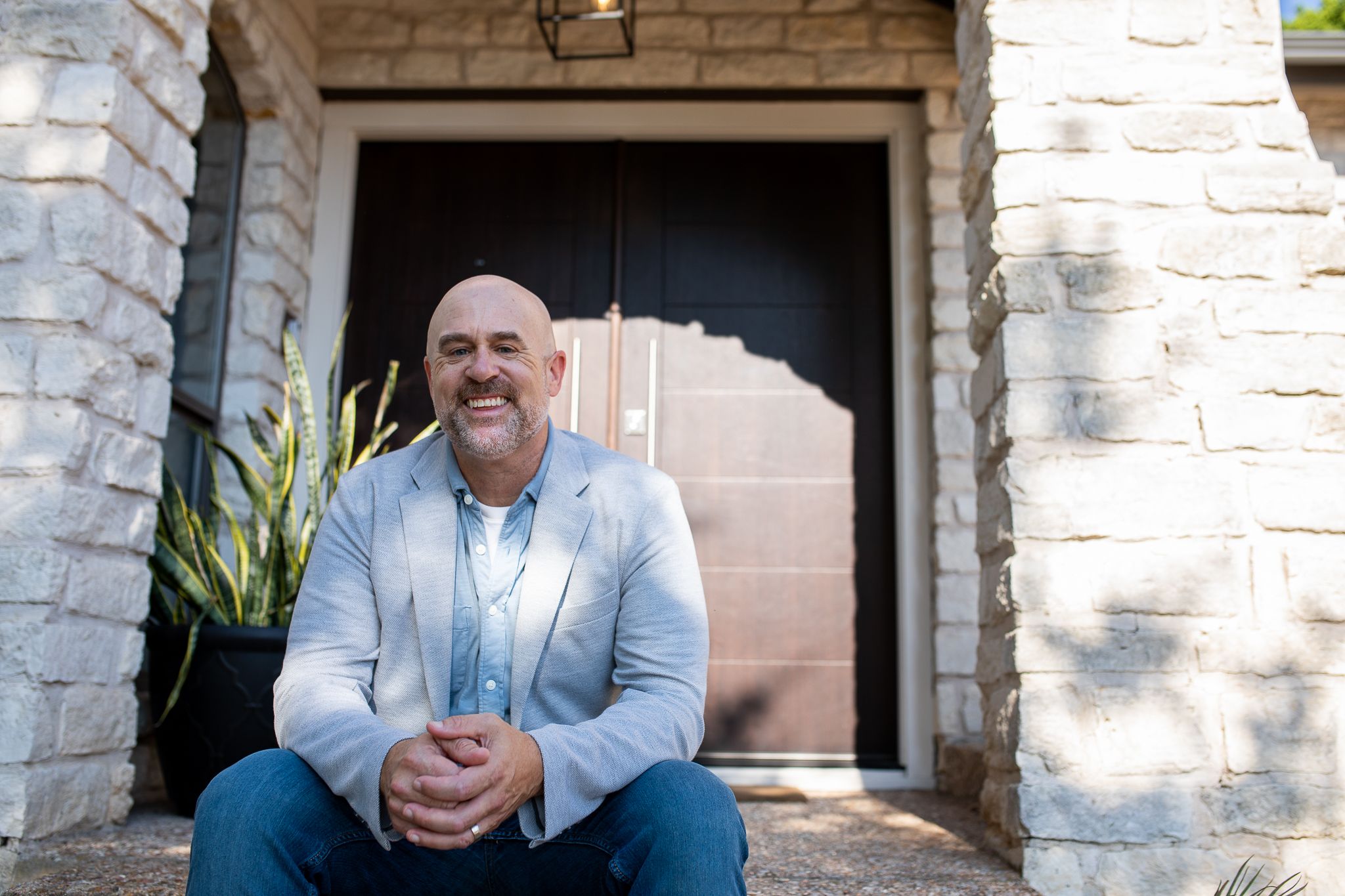
Chris Anderson
Realtor | Southwest Austin & Hill Country Realtor | Chris Anderson, 12 Rivers Realty
or another way