
Published August 5, 2022
Austin Texas tops real estate market with highest price for new homes
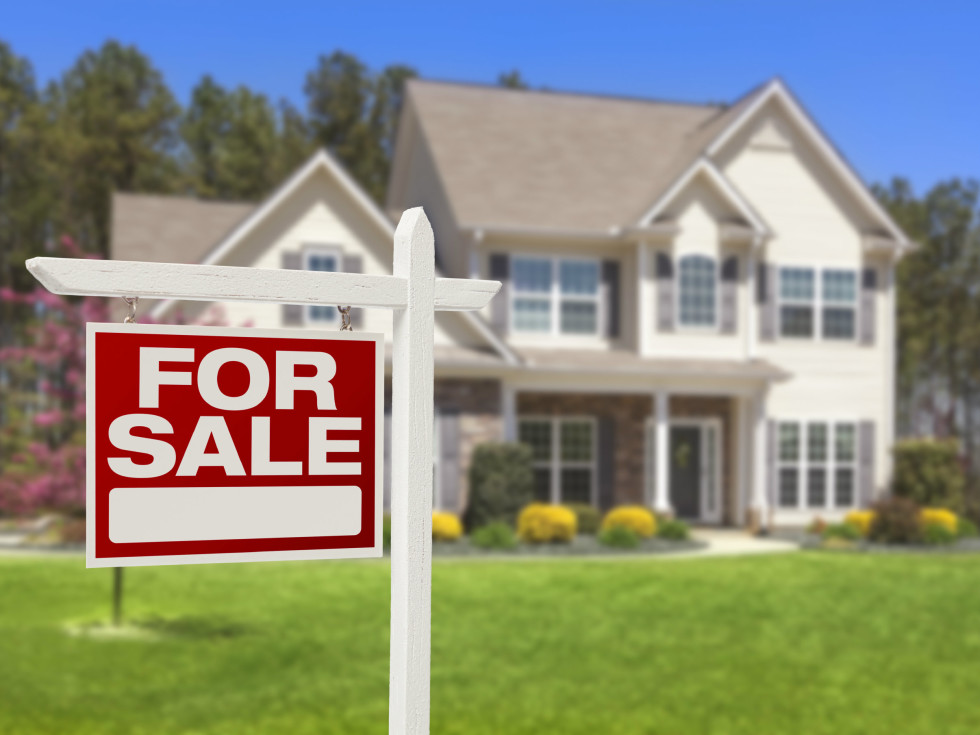
Austin's
market for newly built homes is — no surprise — the priciest in Texas.
New data from HomesUSA.com shows that in
June, the average price of a newly built home in the Austin metro was $541,079.
Meanwhile, Dallas-Fort Worth's new-construction price surged past the $500,000
mark for the first time, landing at $501,327. In Houston, new construction was
priced at $419,573, with San Antonio at $391,577.
“Despite all
of the market challenges – from labor shortages to supply chain and delivery
issues – Texas builders continue to show steadfastness and resilience in
markets that still remain persistently strong,” says Ben Caballero, CEO of
Dallas-based HomesUSA.com.
In
Austin-Round Rock, the average price for a new-construction home jumped 22.2
percent from last June to this June, according to HomesUSA.com. From this May
to this June, the average price dipped slightly, by less than 1 percent.
Those numbers
compare with:
- A 23.7 percent year-over-year jump in the average price of a newly
built home in the San Antonio area, and a 2.7 percent month-over-month
increase. San Antonio’s year-over-year figure was the highest among the
state’s four major metros.
- A 20.5 percent year-over-year jump in the average price of a newly
built home in Dallas-Fort Worth, and a 3 percent month-over-month
increase.
- An 11 percent year-over-year jump in the average price of a newly
built home in the Houston area, and a less than 1 percent month-over-month
increase.
Even amid
escalating home prices, rising interest rates for mortgages, and nagging
demands confronting homebuilders, Caballero believes construction of new homes
in Texas will maintain a torrid pace.
“Due to its
business-friendly environment, no personal income tax, and geographic location,
I expect Texas to continue leading the nation in home starts,” he says. “The
continuing migration from large population centers in the North, Northeast, and
West Coast markets will cause those areas to experience a disproportionate
share of the coming housing slowdown.”
Chris Anderson
Realtor | Southwest Austin & Hill Country Realtor | Chris Anderson, 12 Rivers Realty
or another way